
Indonesia consumers shift toward global brands as domestic preference falls
Preference for domestic brands dropped from 57% in 2024 to 33% in 2025.
Indonesia’s consumer market is becoming more open to international brands, even as cultural traditions continue to strongly influence spending patterns, according to Roland Berger’s Asia Consumer Study 2026.
About 33% of Indonesians are identified as “Tradition Keepers,” helping drive major spending peaks during events like Eid and Lunar New Year.
However, brand preferences are shifting rapidly. The proportion of consumers favoring domestic brands has dropped sharply, from 57% in 2024 to just 33% in 2025.
At the same time, openness to new brands has increased notably, rising from 35% to 45%.
The change is driven largely by younger, urban consumers who are more exposed to global trends through digital platforms and are less loyal to established local brands.
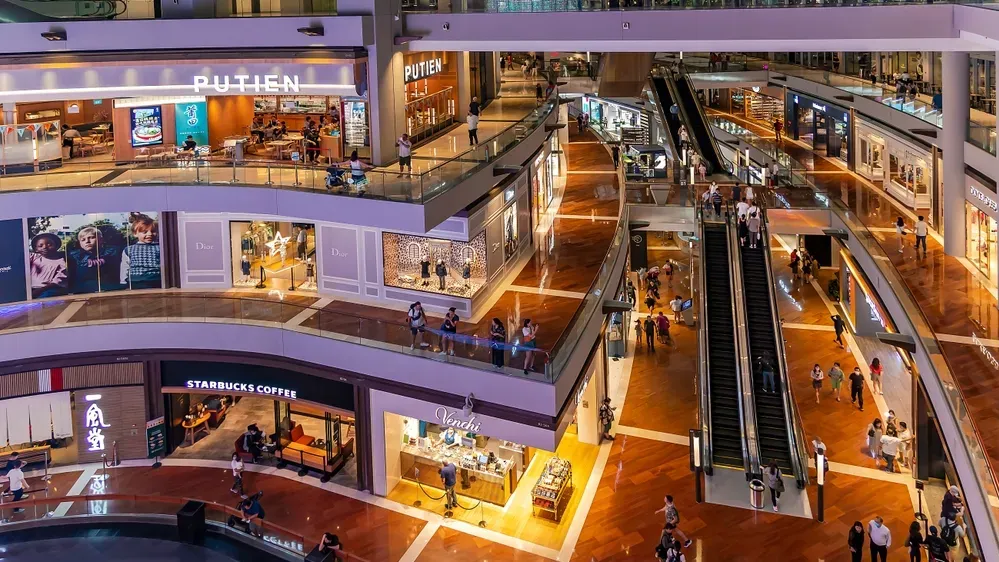
Luxury consumption is also rising amongst Gen Z and Millennials in cities, where status, brand heritage, and peer influence are key purchase drivers.
The rise of cross-border shopping and e-commerce has further expanded access to international luxury brands, fueling interest in products associated with global prestige.
However, more than 50% of new-to-luxury consumers remain undecided about entering the category, signaling untapped growth potential.
Despite this growth, more than 50% of new-to-luxury consumers remain undecided about entering the category. Industry experts highlight this as a major opportunity for brands.
Brands are advised to focus on education, experiential marketing, and low-barrier entry strategies such as limited editions, collaborations, and digital engagement to convert hesitant consumers.














 Read Here
 Advertise
 Sign Up