Fossil fuel use falls as electricity gains share of global energy mix
Electricity could rise from about 23% to over 50% of global energy use by 2050.
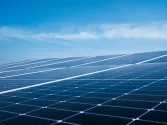
Growing geopolitical tensions, rising energy demand, and increasing volatility in fossil fuel markets are accelerating the global push toward renewable energy and electrification, according to a new report released by the International Renewable Energy Agency (IRENA).
The report, titled Transitioning Away from Fossil Fuels: A Roadmap Based on Renewables, Electrification and Grid Enhancement, warned that current global energy systems are still structurally unprepared to meet the international 1.5°C climate target.
Released in collaboration with the Brazilian presidency of COP30 ahead of the Copenhagen Climate Ministerial, the study said that global commitments to triple renewable energy capacity and double energy efficiency improvements by 2030 remain essential, but are no longer enough on their own to deliver the energy transition required.
The report said the next phase of the transition must focus on electrifying major end-use sectors such as transport, industry, buildings, and digital infrastructure while simultaneously reducing dependence on fossil fuels.
According to IRENA’s revised 1.5°C scenario in its upcoming World Energy Transition Outlook, electricity’s share in global energy consumption is projected to increase from 23% today to 35% by 2035 and exceed 50% by 2050, with most of the added demand supplied by renewable sources.
The agency also forecasts a sharp decline in fossil fuel use, with its share of global energy consumption expected to fall from 80% today to 50% by 2035 and to 20% or lower by 2050.
“The world must adapt to a new energy reality”, said IRENA Director-General Francesco La Camera. “Beyond the goals of tripling renewables and doubling energy efficiency lies the wider challenge of transforming entire energy systems and reducing fossil fuel use across supply and demand."
"Electrification and fossil fuel phase-out are inseparable and must advance together," he said.
La Camera added that renewable-based electrification can simultaneously support climate action, strengthen energy security by reducing dependence on imported fossil fuels, and improve economic competitiveness through new industrial value chains and innovation.
The report identified electrification as the main structural driver behind the long-term decline of fossil fuel use across key sectors.
However, IRENA cautioned that the transition will require a major overhaul of global energy infrastructure and investment strategies.
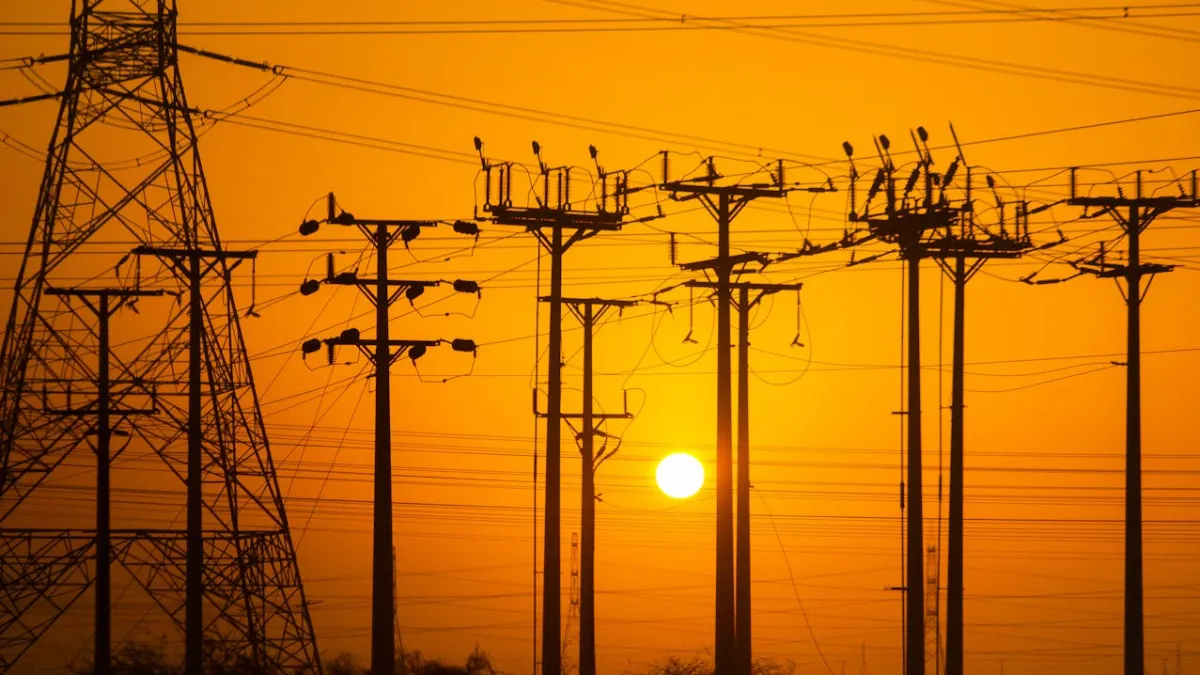
Countries are being urged to rapidly expand electricity grids, energy storage, and system flexibility to ensure reliable and affordable power systems capable of meeting growing demand.
Grid infrastructure remains one of the sector’s biggest challenges. IRENA estimated that around 2,500 gigawatts of wind and solar projects are currently awaiting grid connections worldwide.
To meet 2035 and 2050 targets, the agency said governments must accelerate permitting processes and significantly increase investments in grid modernization. Annual grid investment needs are estimated at $1.2t — more than double the $500b invested in 2025.
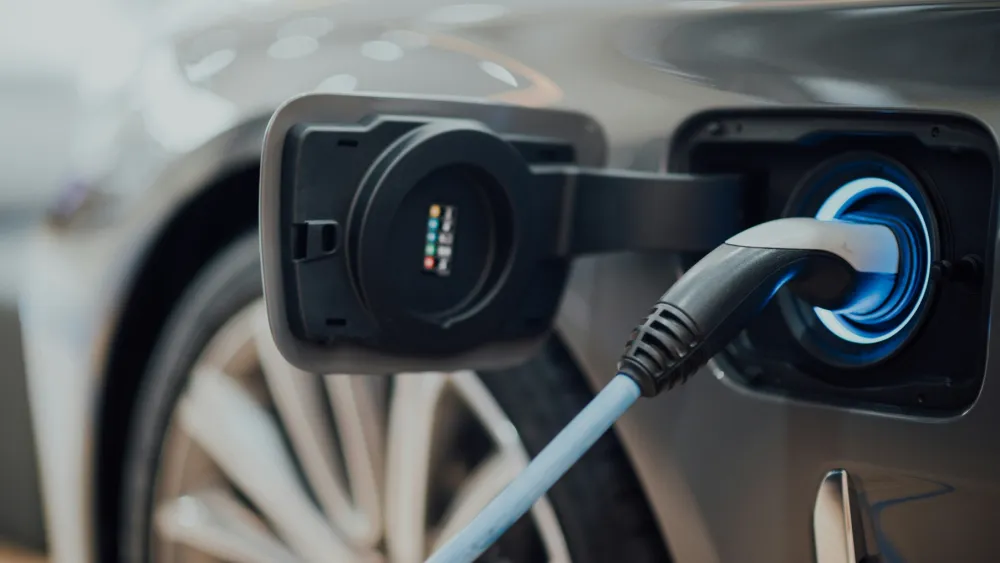
The report also cited the need for substantial investment in hydrogen and alternative fuel supply chains, electric vehicle charging networks, building retrofits, and industrial electrification technologies.
La Camera said the pace of the global fossil fuel phase-out will ultimately depend on how quickly economies electrify, calling for the establishment of a global electrification target by 2035 alongside targets for grid expansion and system flexibility.
The report further stressed the importance of tracking progress in electrification, grid development, and fossil fuel reduction to guide international cooperation and implementation efforts.
At COP28, countries agreed under the UAE Consensus to triple renewable energy capacity and double energy efficiency improvements by 2030, while also laying the groundwork for transitioning away from fossil fuels.
IRENA said it will continue supporting countries and international discussions leading up to COP31 through policy analysis, partnerships, and country engagement initiatives.















 Read Here
 Advertise
 Sign Up