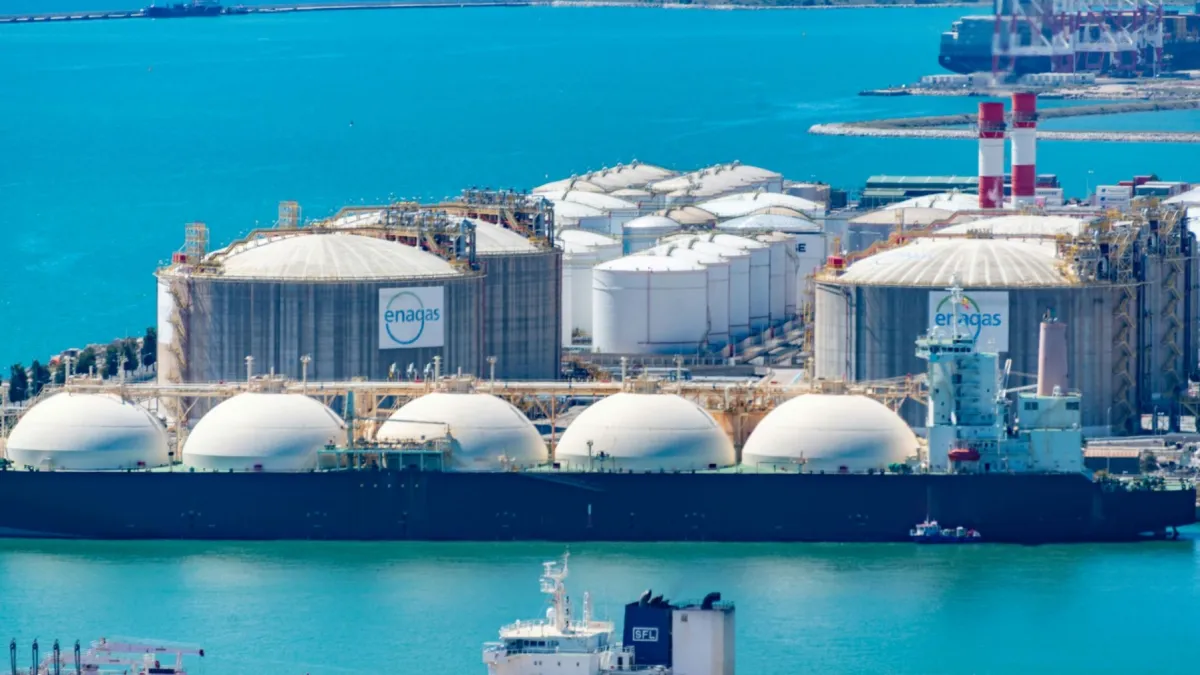
Singapore plans long-term LNG supply deals
Contracts from the US and Qatar will support the nation’s RE shift.
Singapore plans to secure long-term liquefied natural gas (LNG) supply contracts for its power sector starting early 2026 to support its low-carbon energy goals through 2035.
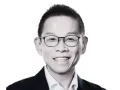
“We will be going out into the international market to procure long-term LNG,” Singapore GasCo Pte. Ltd. CEO Alan Heng told Asian Power. “We anticipate starting this process in the first quarter of 2026. Once we issue our request for proposals, we will build a portfolio tailored for Singapore.”
Singapore GasCo, a state-owned company established in May 2025, centralises the procurement and supply of natural gas, which accounted for 93.1% of electricity generation in the first half of 2025.
Heng said the company aims to support the country’s transition to renewables, which will require both solar and wind energy and imported clean electricity due to land constraints.
Singapore is already tapping Indonesia, Vietnam, Cambodia, and Malaysia to import low-carbon power, with a target of 6 gigawatts by 2035. The intermittency of renewable imports, however, makes reliable gas supply critical.
“The role of Singapore GasCo is to help with the energy transition and enable gas-fired generation to support green energy,” Heng said.
Before, power generators contracted gas independently under the Energy Market Authority’s supervision. Centralising supply allows Singapore GasCo to aggregate demand, negotiate better deals, and secure flexible contract terms.
Centralising supply helps lower costs and keeps energy reliable and affordable, Heng added.
The company plans to diversify LNG sources to manage geopolitical and market risks: 35% from the US, 35% from the Middle East—mainly Qatar—and the remaining 30% from other regions. Singapore also imports 35% to 40% of its gas via pipelines from Indonesia and Malaysia, which will continue to supplement LNG supplies.
Singapore GasCo is working with Southeast Asian neighbors like Thailand and the Philippines to build a shared emergency gas supply network.
“Singapore’s current framework has to transition to the new one,” Heng said. “Existing contracts will be grandfathered, so we need to work with them while adding value to the overall generators.”


 Read Here
 Advertise
 Sign Up