MR.DIY expands deep into Indonesia’s suburbs
The company has grown to more than 850 branches in just seven years.
MR.DIY is expanding to Indonesia, even reaching suburban areas, as part of its business strategy to serve locations that have not been reached by other major stores for home improvement products.
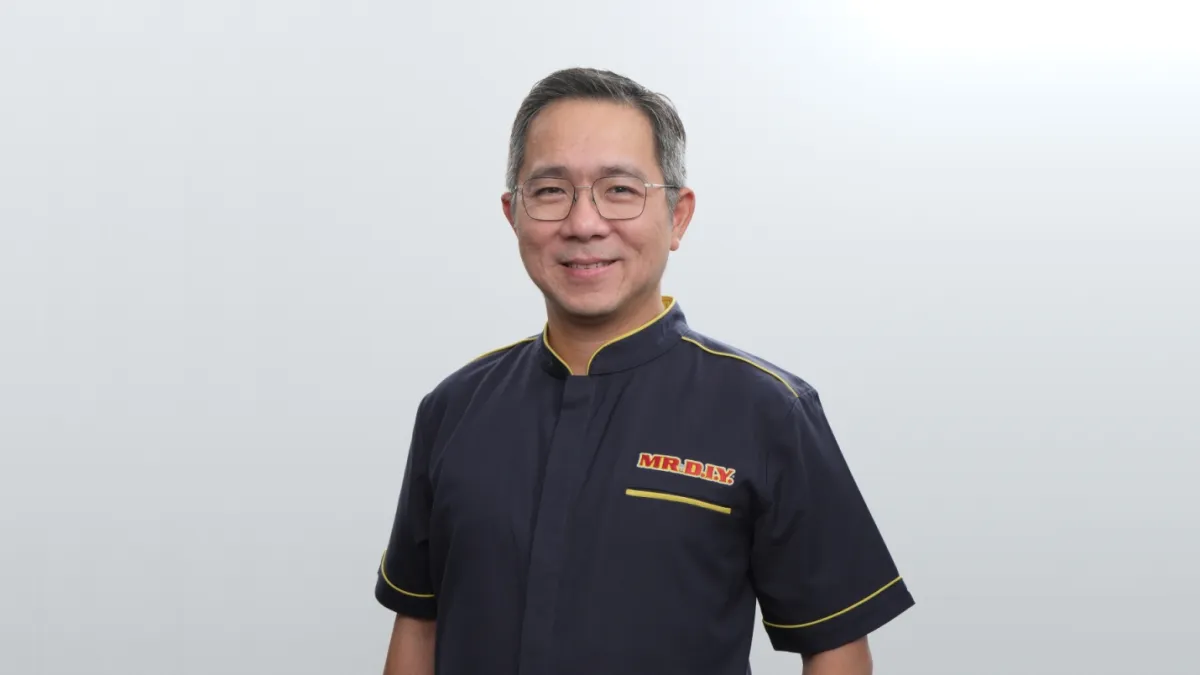
“Expanding into suburban areas allows us to serve a broader base while maintaining our core values,” Edwin Cheah, president-director at MR.DIY Indonesia, told Retail Asia.
Since opening its first store in Indonesia in 2017, MR.DIY has rapidly grown to more than 850 branches, including those in suburban areas. The company now has 4,000 stores worldwide.
MR.DIY Indonesia sets up stores near residential areas to maximise convenience. “Our goal is to bring essential products closer to all, including suburban households,” Cheah said.
More than half of its workers come from outside Java. “Hiring locally in suburban areas strengthens our connection with the community and supports job growth,” he added.
Keeping suburban stores well-stocked can be a challenge in Indonesia, the largest country in Southeast Asia and the 14th largest in the world. MR.DIY partners with local logistics providers to keep stocks high.
With more than 18,000 products across 10 categories from household items and hardware to electrical, furnishing and toys, MR.DIY tailors its selection to meet the needs of every community. “We adapt our offerings to fit local demand.”
“Through our partnerships, we overcome logistical barriers and ensure product availability regardless of location,” Cheah said, adding that this ensures customers always get what they are looking for.
Key to MR.DIY’s suburban strategy is its commitment to “Always Low Prices,” ensuring consistent pricing across all stores. “We want suburban shoppers to enjoy affordable prices wherever they are,” Cheah said.
Despite the rapid growth of e-commerce, Cheah emphasised that physical stores remain the company’s primary focus. Particularly in remote areas, physical stores help reduce dependence on logistics infrastructure. "Indonesia faces complex logistical challenges, and online access is still limited in some areas," explained Cheah.
"Expanding our physical stores is our priority to ensure that people can access everyday needs without the barriers of distance or delivery times,"Cheah said."We see e-commerce as a positive development, but physical stores remain our main way of reaching the community," he added









 Read Here
 Advertise
 Sign Up