Indonesia sets 2032 target for first nuclear power plant
Nuclear is now embedded in Indonesia’s long-term energy mix.
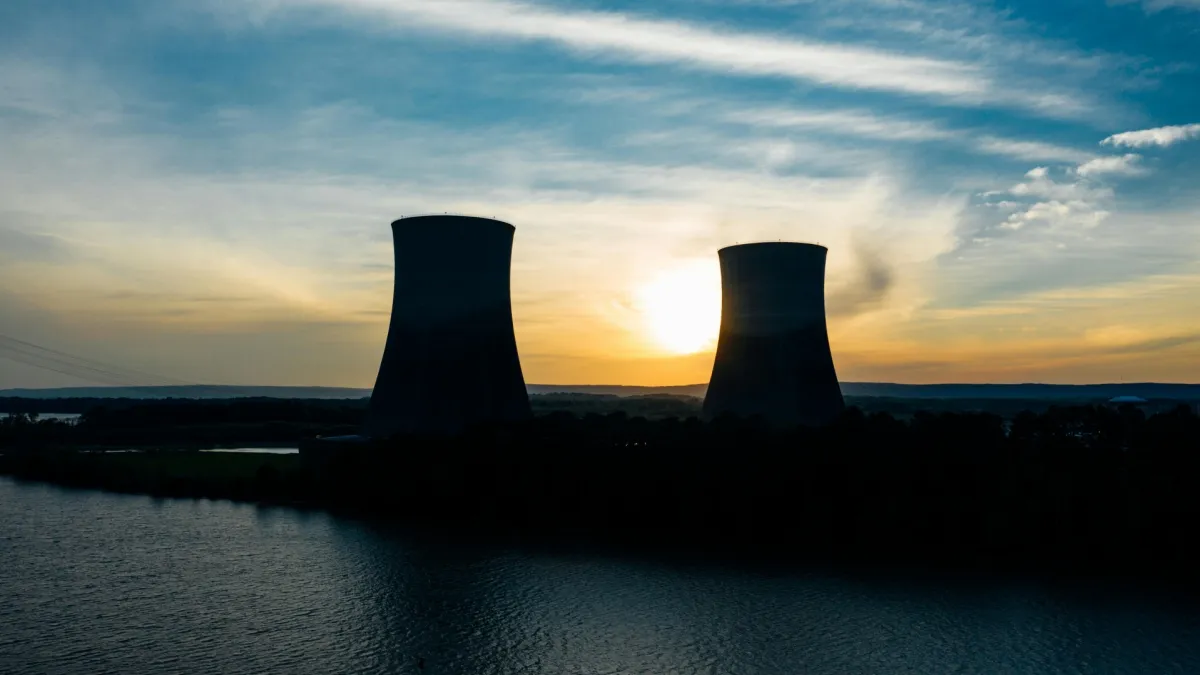
Indonesia is closing out 2025 with its most significant shift yet toward nuclear power, as the government puts the technology into its formal energy strategy for the first time and locks in a 2032 target for the country’s debut reactor.
The policy update ends decades of stop-start exploration and aligns national planning behind a single pathway. Nuclear is now embedded in Indonesia’s long-term energy mix, supported by a government roadmap outlining 45 gigawatts (GW) of capacity through 2060.
The plan allocates 35 GW for electricity and 9 GW for hydrogen and confirms that the first 250-MW unit will start operating in 2032, followed by a second plant of similar size.
To support the supply chain, the government has also set up an agency to manage uranium, thorium, and other strategic minerals.
PT Perusahaan Listrik Negara (Persero), the state-owned power generator and distributor, is weighing several core factors as it studies whether nuclear power could be added to Indonesia’s electricity system, focusing on system readiness rather than technology choice alone.
Didik Fauzi Dakhlan, executive vice president of asset management, engineering, and integration management system, said nuclear power has characteristics that could support the country’s energy transition.
He cited its low emissions compared with coal and its ability to provide steady power, unlike solar or wind, which depend on weather conditions.
“When we talk about nuclear, there are many variables that must be considered,” he told Asian Power in a LinkedIn message. “This is not simply about choosing technology, but ensuring that our system is strong and ready to accommodate it.”
Indonesia expects electricity demand to reach 1,813 terawatt-hours by 2060, requiring 443 gigawatts of net-capable capacity. Renewables are projected to supply 42% of output, backed by 34 GW of storage, a structure that officials say requires firm baseload to maintain reliability.
“This is no longer optional,” Tony Susandy, a senior official at the Ministry of Energy and Mineral Resources, told a forum in Jakarta on 20 November. “Nuclear is becoming one of the tools that will balance Indonesia’s energy mix and support our net-zero pathway.”
Scientific groundwork is advancing. The National Research and Innovation Agency reaffirmed that Indonesia must deliver at least 500 MW of nuclear capacity by 2032.
PLN added nuclear power to its official generation outlook for the first time in 2025, including a 250-MW plant for Sumatra in 2032 and another for Kalimantan in 2033. Renewables, storage, and nuclear account for 76% of its planned capacity additions.
Nuclear power’s steady output makes it attractive for Indonesia’s push toward cleaner energy, but its use depends on whether the power grid could safely absorb it, not on technology alone, Didik said.
One key limit is grid strength, which determines how much new generation can be added without causing instability. Didik said the 250-MW reactor size being studied reflects conditions in Sumatra and Kalimantan, where grid strength is about 300 MW per hertz. Plants larger than that could disrupt the system.
Indonesia’s power network is also fragmented. Java–Madura–Bali is the largest and strongest grid, whilst Sumatra and Kalimantan operate as separate systems.
As a result, only Java–Madura–Bali can handle very large nuclear plants for now. Bigger reactors in Sumatra or Kalimantan would need interconnections linking those grids to Java.
Beyond technical limits, Didik said the main hurdles are policy and institutions. “What is most urgent now is a presidential regulation to speed up nuclear development and the creation of a dedicated nuclear body, because nuclear power is as much about geopolitics and public acceptance as it is about technology,” he added.















 Read Here
 Advertise
 Sign Up