Costs keep Singapore second-priciest data centre market
AI infrastructure and sustainability rules push construction costs higher.
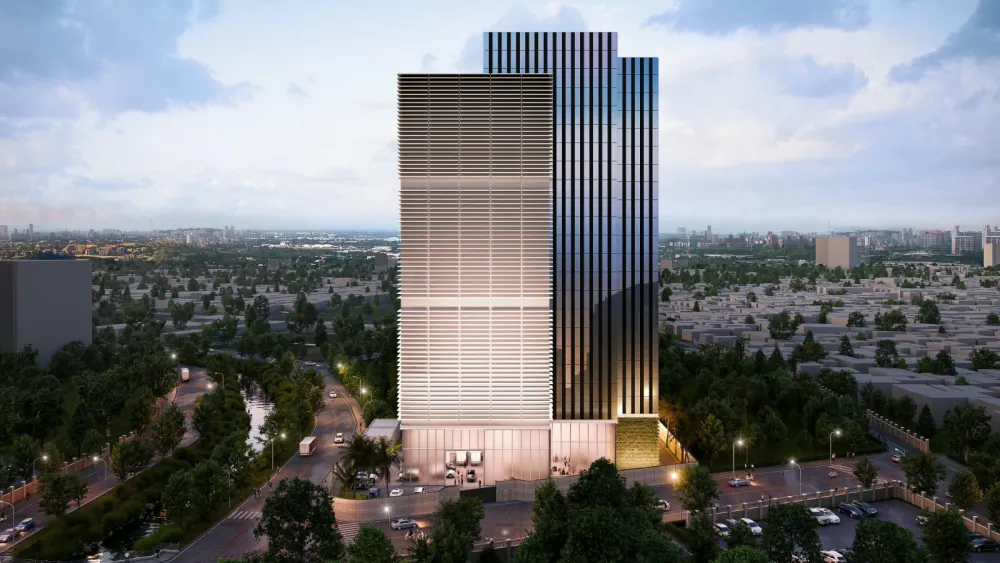
Singapore has retained its position as the world’s second-most expensive market to build data centres, as accelerating demand for artificial intelligence infrastructure and stricter sustainability requirements continue to push construction costs higher.
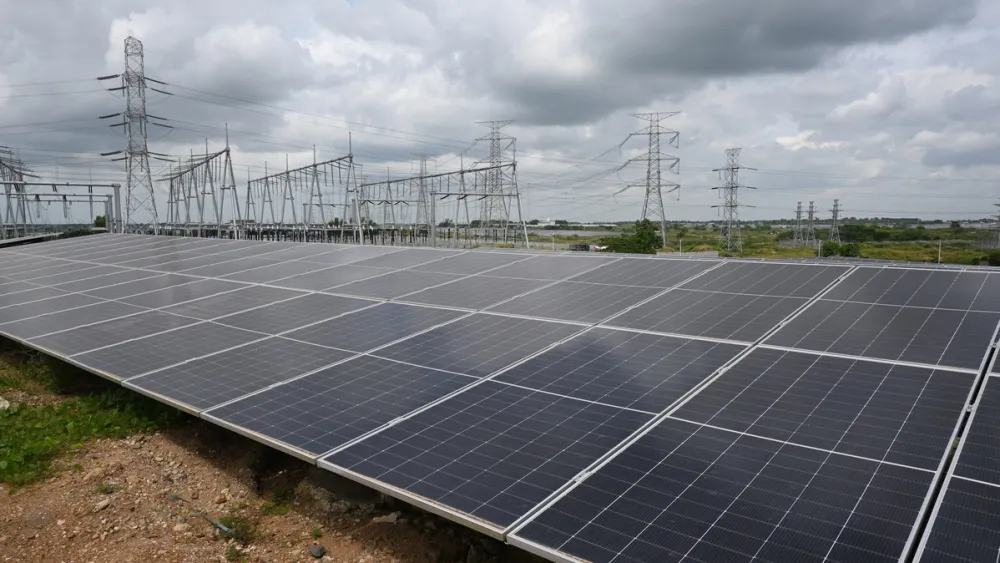
According to the Turner & Townsend 2025 Data Centre Construction Cost Index, construction costs in Singapore rose 5% year on year to US$14.53 per watt. A major contributor is the sharp increase in power density, which has jumped from about 4 kilowatts per rack in traditional facilities to as much as 100–120 kilowatts in AI-ready data centres. That shift has driven capital expenditure up by an estimated 20–40%, largely due to the need for advanced cooling systems and significantly upgraded electrical infrastructure.
Sumit Mukherjee, Managing Director, Southeast Asia and Head of Real Estate, Asia, Turner & Townsend, said the cost escalation is fundamentally tied to the global race to deploy AI computing capacity. “When you consider the acceleration of AI technology, the growth of sheer demand for AI computing, what we're seeing from a delivery standpoint, is increasing pressure on the supply chain as it relates to things like power and cooling and general consumption required to deliver data center assets.”
He added that AI-ready facilities require far greater infrastructure capacity than conventional enterprise data centres. “The capacity of infrastructure that we have in place as part of data centers that are AI ready is significantly greater than what traditional data centers for computing and for Enterprise Client solutioning has been and as a result of these factors, we're seeing significant increases in expenditure across the broader data center asset class,” Mukherjee said.
Sustainability regulations are compounding cost pressures. Singapore’s SS 715 standards, which require a 30% reduction in energy consumption, are forcing operators to invest in more efficient technologies, equipment and plants.
At the same time, power access is becoming a decisive competitive factor. “Power is a scarce resource in absolute terms,” Mukherjee said, noting that operators in tightly regulated markets like Singapore must plan far in advance to secure sufficient and sustainable supply.
Despite high construction costs, Singapore remains a preferred hub for global data centre investors, supported by policy stability, regional connectivity and strong ESG credentials. “Singapore is a… blue chip market for data center clients,” Mukherjee said, adding that its sustainability leadership allows operators to meet the expectations of global customers while investing for the long term.












 Read Here
 Advertise
 Sign Up






Commentary
Beyond licensing: How Asian biotech can capture more of the value it creates
Cargo insurance in Asia and the risks of port accumulation
Cheap intelligence, scarce judgment: The new model for Asian institutional investing
Is centralisation the best model for Asia's AI infrastructure boom?
Why compressed air could be costing manufacturers more than they realise
When does infrastructure create sustainable value in Asian real estate?
When power availability becomes a real estate constraint
The next competitive advantage in banking AI is explainability, not automation
The AI pilot worked. Now comes the real test
Why implementation can matter more than technology