SM Supermalls pivots to experience-led retail with $2.6b national rollout
The group plans to open one flagship mall each year.
SM Supermalls is committing $2.6b (P150b) to upgrade and expand its Philippine portfolio through 2030, betting that bigger, experience-led centres and digital systems would lift traffic and tenant sales despite uneven consumer spending.
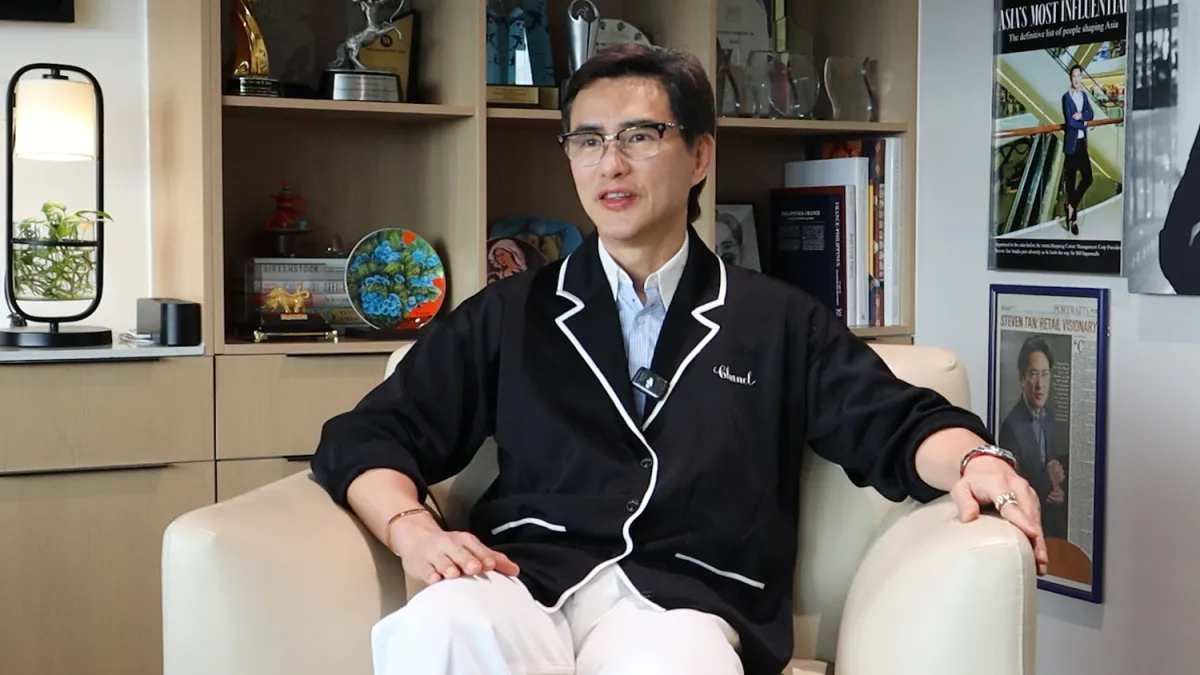
“Change is inevitable, and that’s what makes retail exciting,” Steven Tan, president at SM Supermalls, told Retail Asia in an interview. He recalled that SM’s first mall, SM North EDSA in Quezon City, opened in the 1980s as a purely utilitarian shopping venue.
That same mall is set for a $104.2m (P6b) upgrade as part of a programme that covers redevelopment of key assets and a steady pipeline of openings.
SM Megamall in Mandaluyong will get about $121.5m (P7b) for works that include a 20,000-square-metre expansion, a four-level basement car park with more than 1,600 slots, additional cinemas, a revamped Megatrade Hall and a redesigned food court.
New projects include SM Nuvali in Santa Rosa, Laguna province and SM Harrison Plaza in Manila.
The group plans to open one flagship mall each year, alongside regional and provincial centres, targeting 115 malls by 2030, Tan said.
Four to five other malls are slated to open annually. Site selection is based on catchment size, spending power and land availability, with a growing focus outside Metro Manila, he said.
The capital outlay comes as Singapore and other regional markets compete for listings and capital, but SM is concentrating on domestic scale.
Last year, parent company SM Prime Holdings, Inc. posted net income of $847m (P48.8b), up 7% from a year earlier. The mall segment accounted for 60% of revenue at $1.5b (P85.1b). Management cited higher commercial property revenue and cost discipline.
Within the portfolio, the tenant mix is shifting. Food now takes up roughly 30% of mall space, reflecting demand for dining and leisure over discretionary retail.
The company is redesigning layouts to widen corridors and introduce more open areas. At SM Nuvali, a one-hectare, air-conditioned indoor park is under construction.
Megamall’s “Crystal Islands” concept will add natural light and organic forms.
Tan said the aim is to raise dwell time and repeat visits rather than chase headline footfall targets. He declined to provide projections for traffic or tenant sales.
Digital spending is part of the plan, though the group frames it as operational rather than experimental. Systems under rollout include smart parking, app-based promotions, artificial intelligence for customer service, and data tools to manage utilities.
Sustainability features in the redevelopment pipeline include a 500-cubic-metre rainwater harvesting system, ETFE (ethylene tetrafluoroethylene) roofing, LED lighting and sensor-activated escalators, with solar panels under study at selected sites.
The investment cycle follows a period of recovery for brick-and-mortar retail after pandemic disruptions accelerated online shopping.
Tan said malls and e-commerce are complementary, with retailers expected to operate across both channels. He argued that physical stores remain central for brands seeking scale in the Philippines, where logistics costs and last-mile delivery constraints can limit pure online models.
Financing details were not disclosed, though SM Prime has historically relied on a mix of operating cash flow and debt.
The group’s balance sheet has allowed it to expand during downturns, including after the Asian financial crisis and the global financial crisis, Tan said.
“We have always believed in the Philippines, and we will continue to invest in the Philippines over the next five years,” he added.
Risks remain. Consumer sentiment is sensitive to inflation and interest rates, and provincial expansion can dilute returns if catchment estimates prove optimistic. Construction costs and project timelines also pose execution challenges, particularly for complex redevelopments of operating malls.
Still, SM is proceeding with its biggest capital programme in years, positioning its malls as mixed-use anchors in growth corridors.
Whether the P150-billion spending translates into faster rental growth and higher margins will depend on tenant demand and the pace of household spending through the next cycle.











 Read Here
 Advertise
 Sign Up