OUE Healthcare opens Singapore’s first private sleep lab
About 30% of adults suffer from obstructive sleep apnea.
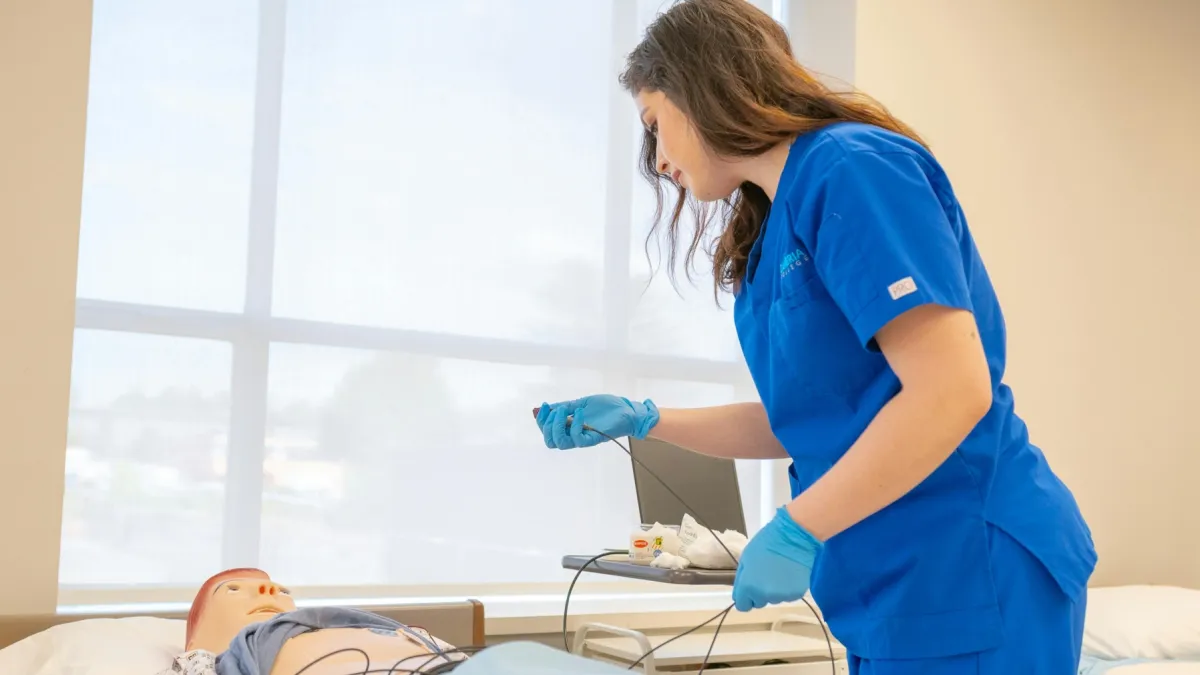
O2 SleepWell Pte. Ltd. has opened Singapore’s first private sleep laboratory, betting that long public hospital wait times are leaving most sleep apnea cases undiagnosed.
The lab is positioning itself as an alternative to the public system, where more than 90% of sleep studies are conducted, and patients typically wait three to six months for testing, Medical Director Lee Chuen Peng told Healthcare Asia.
About 30% of Singaporean adults suffer from obstructive sleep apnea, a condition linked to cardiovascular and metabolic disease, yet awareness remains low.
“Recent community-based studies indicate that the vast majority—over 90%—are unaware,” he said in an emailed reply to questions.
The gap is larger across Southeast Asia, where access to sleep specialists and diagnostic facilities is limited.
Industry data show that for every patient in the region who receives therapy, at least four others remain undiagnosed, Lee said.
In Singapore, private-sector services exist but are fragmented, often requiring patients to move between separate clinics for consultation, diagnostic testing, and treatment.
O2 SleepWell, which is owned by OUE Healthcare Ltd., consolidates those services into a single facility, aiming to shorten the time between diagnosis and care.
Demand is driven mainly by physician referrals, particularly from cardiologists and general practitioners, as links between sleep disorders and chronic illness become better recognised.
“Around 40% to 60% of patient demand is tied to chronic conditions, with obstructive sleep apnea worsening cardiovascular and metabolic diseases,” Lee pointed out.
Corporate wellness programmes are also incorporating sleep health into employee benefits, whilst younger patients are seeking consultations after identifying irregular sleep patterns using wearable devices, he added.















 Read Here
 Advertise
 Sign Up