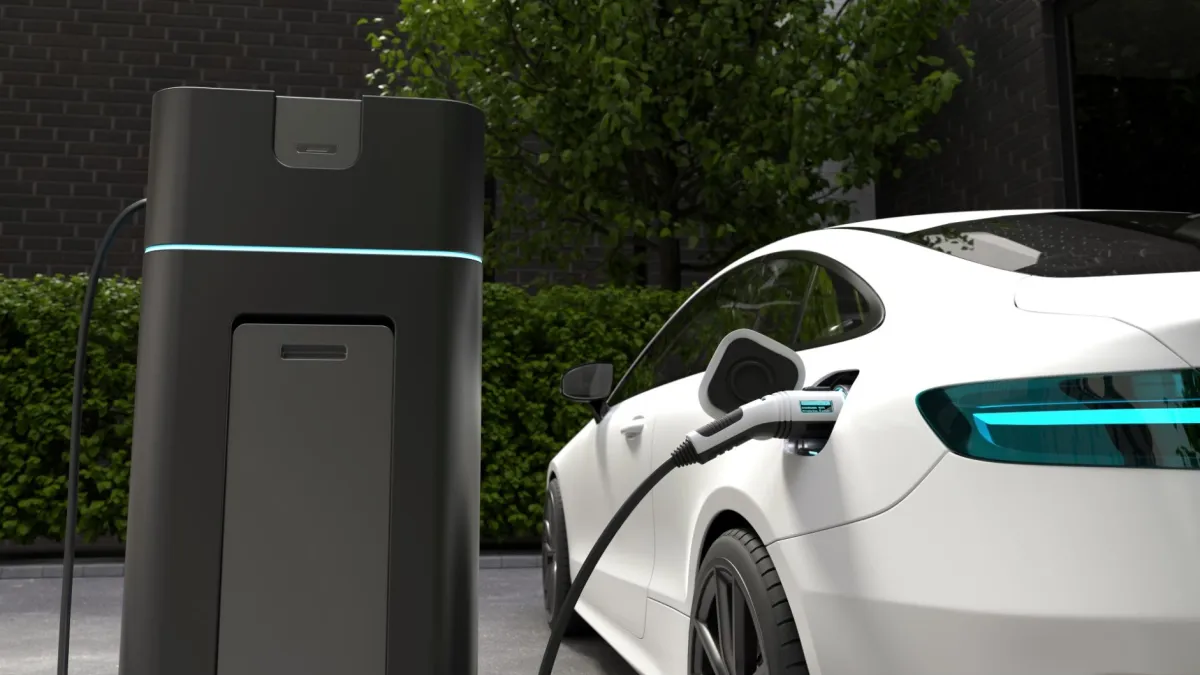
Charging and cost hurdles temper Singapore’s EV momentum
Operators and consumers plan around stable incentives and infrastructure.
Singapore’s electric vehicle (EV) market faces growing bottlenecks as uneven charging infrastructure and energy management issues threaten to slow adoption.
Gaps in charger distribution, total cost considerations, and service reliability could affect consumer confidence despite strong government support and rising interest in EVs, analysts said.
“Infrastructure planning is critical to adoption,” Jeremy Ong, senior manager at LHN Energy Resources Pte. Ltd. and LHN Parking Pte. Ltd., told Singapore Business Review.
“Car park operators, including us, are no longer asking whether to deploy charging, but how to deploy it efficiently and future-proof existing sites,” he said in an emailed reply to questions.
Singapore’s electric vehicle market is moving into the mainstream, with EVs making up 45% of new car registrations in 2025 and hybrids at 39%, highlighting a shift beyond early adopters to broader buyers.
Ong said integrating distributed energy solutions such as solar carports lets operators combine renewable energy with EV charging, optimising long-term operating costs whilst meeting growing demand.
Use patterns also influence deployment, with overnight demand concentrated at residential sites and daytime demand at commercial locations.
Government policy guides EV adoption, with Singapore’s Green Plan 2030 and changes to its rebate programme encouraging buyers to focus on total ownership costs.
Ong said clear policies support steady adoption as operators and consumers plan around stable incentives and infrastructure.
Chinese EV brands are further reshaping the market by offering high-end vehicles at competitive prices, said Soh Ming, founder and managing director at Volt Auto Singapore, the exclusive distributor of Dongfeng passenger vehicles.
“Competition is no longer purely brand-driven; it is feature-driven and value-driven,” he said via Zoom, noting that consumers compare battery warranties, in-car technology, and charging standards across brands.
Still, there are risks that could slow adoption. Uneven charger distribution could reduce consumer confidence, whilst oversaturation of brands without long-term commitments may create uncertainty about resale value and after-sales support.
Ong said data-driven optimisation of charger placement and energy use could help mitigate these issues. He noted that operators are now better equipped to manage energy loads and plan charging networks.
“Whilst there may be quarter-on-quarter fluctuations, the five-year outlook for EV adoption in Singapore remains upward,” Soh said.
“When infrastructure, energy supply, and user behaviour align, growth tends to regain momentum,” Ong added.
















 Read Here
 Advertise
 Sign Up