Why 2 in 5 Filipinos don’t have a legacy plan in place: Sun Life
A quarter of respondents still have no arrangements in place for wealth transfer.
Sun Life of Canada (Philippines) has launched the Sun Life Premier Legacy, as it seeks to capture growing demand for wealth transfer and legacy planning solutions.
The launch comes as Asia is expected to see around $5.8t in intergenerational wealth transfer by 2030, creating demand for more sophisticated financial planning beyond traditional wealth accumulation.
Sun Life said its proprietary “Passing the Torch” research highlights a gap between awareness and action amongst Filipino wealth holders.
Whilst 81% of respondents are concerned their wealth may not be preserved beyond the next generation, only 18% said they are fully prepared with legacy arrangements.
Just 6% have completed and communicated their plans, and 25% have no arrangements in place.
Awareness of tools such as wills and estate planning stands at 64%, but only 32% have adopted them.
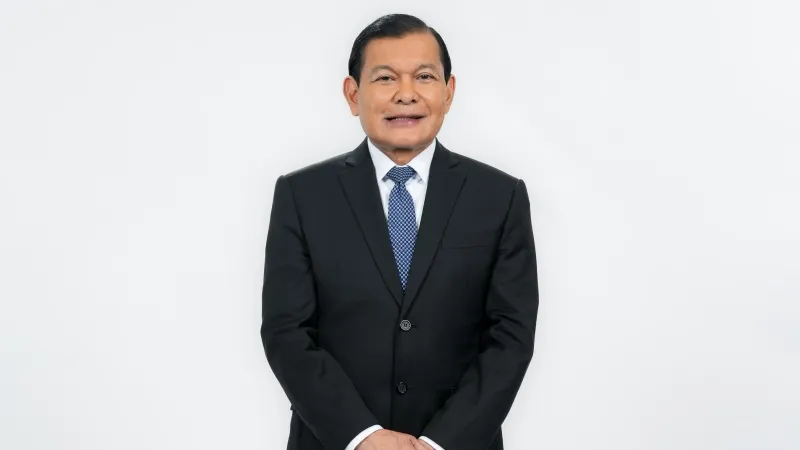
JJ Moreno, country head and chief executive officer of Sun Life Philippines, said the findings show that families recognise the importance of planning, with 77% prioritising financial security, but most have yet to act.
The study, which covered more than 3,000 respondents across six Asian markets, also identified key concerns among Filipinos.
Around 64% worry their heirs may not be financially prepared to manage inherited wealth, 49% are concerned about potential family disputes, and 41% cited market volatility as a risk to preserving value.
Sun Life Premier Legacy is structured to address these concerns through insurance coverage that provides liquidity for estate settlement, business succession, and asset protection.
The product offers life insurance coverage from inception up to age 100.
The solution includes features such as a legacy settlement option, which allows policyholders to control how benefits are distributed over time, and a mental incapacity benefit, which enables a designated individual to manage the plan if the policyholder becomes unable to do so.













 Read Here
 Advertise
 Sign Up