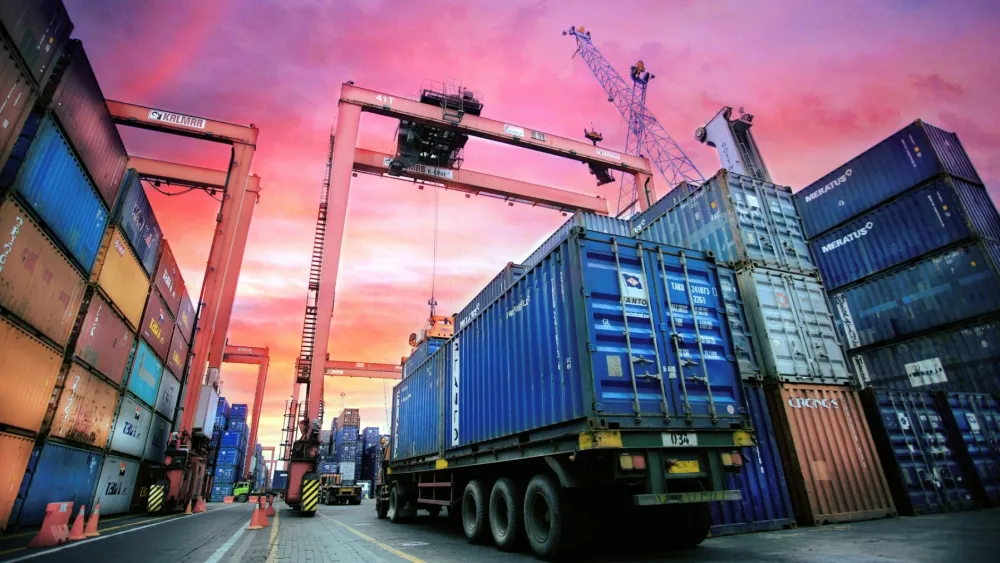
Southeast Asia’s reliance on Middle East crude leaves region exposed to supply shocks
The region's energy import bill could hit $160b in 2026.
Southeast Asia’s energy import bill is projected to reach $160b this year and could rise to $400b by mid-century under current policy settings, equivalent to around 5% of the region’s economy, according to the International Energy Agency (IEA).
The agency said in its Southeast Asia Energy Outlook 2026 that disruptions to oil and gas shipments through the Strait of Hormuz have exposed structural risks in the region’s energy system.
The Middle East supplies around 60% of Southeast Asia’s crude oil imports, whilst almost half of the oil products refined or consumed in the region are derived from Middle East crude.
The disruption has led to shortages of liquefied petroleum gas used for cooking, petrochemical feedstocks, and chemical products.
“Southeast Asia is a crucial region shaping global energy trends and is set to account for 20% of the growth in the world’s energy demand over the next decade, second only to India,” said Fatih Birol, Executive Director of the IEA.
Governments have introduced measures to manage supply pressures, including encouraging residents to work from home and use public transport.
Electricity demand in Southeast Asia is growing twice as fast as overall energy demand, driven by population and economic growth, rising cooling needs, and industrial expansion.
“The stock of residential air conditioners in the region is set to triple by 2035,” the agency said, adding that electric vehicle uptake is also increasing.
Renewable power capacity in the region is set to nearly triple within a decade under current policy settings.
IEA added that the Philippines became the second-largest destination for Chinese solar exports in the first quarter of 2026, with imports around three times higher than in the same period a year earlier.
Coal remains a major part of Southeast Asia’s energy mix, whilst several countries are exploring nuclear power as a longer-term diversification option.
Stronger energy efficiency measures and regional initiatives, such as the proposed ASEAN Power Grid, could improve energy security and lower costs.















 Read Here
 Advertise
 Sign Up