CVF bloc leads solar uptake, surpassing US in electrotech transition
Solar imports run 3x above official capacity in eight of 10 countries.
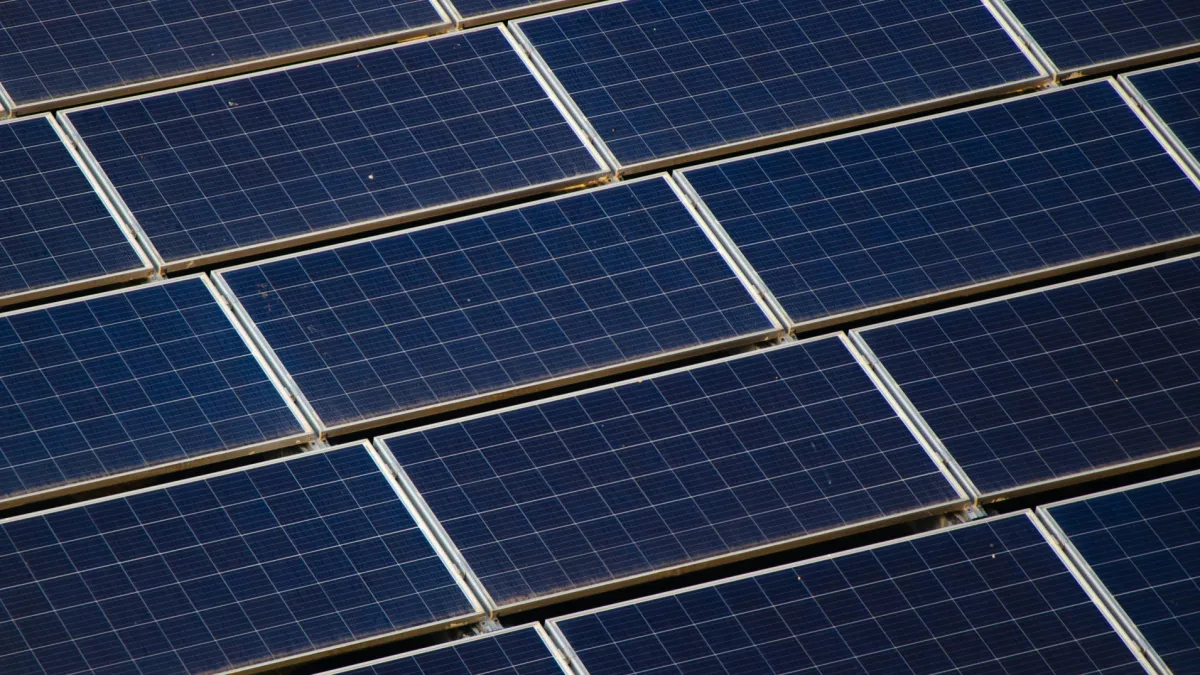
Countries within the Climate Vulnerable Forum (CVF), including Asian economies, are expanding solar adoption and electrification as electrotech costs fall, according to analysis by Ember in partnership with the CVF-V20.
The analysis shows that 46% of CVF nations, measured by electricity demand, have overtaken the United States in solar penetration, whilst 51% have surpassed it in economy-wide electrification.
In eight out of 10 CVF countries, cumulative solar imports since 2017 are at least three times higher than officially recorded installed capacity, indicating that deployment is outpacing national statistics.
Nepal and Sri Lanka record electric vehicle uptake rates of 70% and 64%, respectively, within reported segments.
The report finds that electrotech adoption is driven by changes in cost. Solar power now requires less upfront capital than fossil fuel plants, reversing a position from a decade ago when solar required significantly higher investment.
Electric end-use technologies, including transport, cooling, cooking, and manufacturing equipment, have seen price declines of 30% to 95% over the past decade.
Across CVF countries, more than 700 million people remain without access to electricity, whilst many connected users face frequent outages.
The group accounts for over a fifth of the global population but under 5% of global GDP and electricity demand.
Most CVF countries are net fossil fuel importers, with $155b spend on imports in 2024.
In 19 countries, fossil fuel imports account for more than half of the trade deficit, including Pakistan at 67% and Bangladesh at 59%.
The analysis states that decentralised solar and battery systems reduce the need for grid extension, particularly in remote areas, and enable incremental expansion of electricity access.
Solar-battery systems are now cheaper than extending grids for communities located more than a few tens of kilometres from existing lines.
The report highlights that many CVF nations, located in the sunbelt, have significant solar potential relative to current electricity demand, supporting a shift from biomass-based energy use directly to electrification without large-scale fossil infrastructure.
The 138 gigawatts of solar panels imported from China between 2020 and 2025 can also generate electricity sufficient to avoid $20b in LNG imports or $42b in diesel imports annually.
The analysis concludes that many CVF countries remain early in fossil infrastructure development, with energy systems still dominated by biomass.
Falling electrotech costs create a pathway from biomass to electricity without the need to build fossil-based systems.

















 Read Here
 Advertise
 Sign Up