Rising climate losses test China’s insurance safety net
Profitable insurers face limits in passing disaster risk despite market scale.
China’s natural catastrophe protection gap of about 90% is putting a strain on the country’s ability to absorb and transfer climate risk despite the size and profitability of its non-life insurance sector.
The gap, far above the global average of roughly 50%, reflects insurance cover failing to keep pace with fast‑rising catastrophe exposure in the world’s second‑biggest non-life market.
Losses from floods, typhoons and heat‑related events are becoming more frequent and severe, but protection capacity has not kept pace.
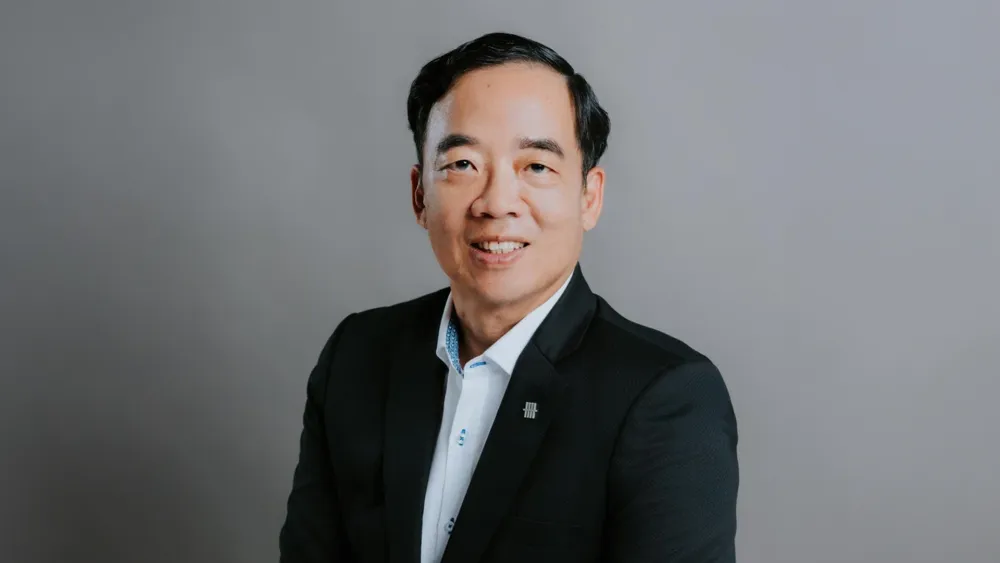
“Urbanisation, industrial clustering, and the concentration of insurable assets continue to intensify risk accumulation,” Sven Liu, head of Greater China at QBE Re, the reinsurance arm of QBE Insurance Group, told Insurance Asia.
He added that exposure is growing fastest in major economic regions, increasing demand for reinsurance protection.
China’s non-life insurance sector includes more than 80 primary insurers and generated more than $255b in gross written premiums in 2025, up 3.9% from a year earlier. The market remains concentrated, with the three-biggest insurers controlling over 60% of total share. Their combined net income rose 17% to $9.4b.
That financial strength, however, contrasts with limited catastrophe cover. China’s reinsurance cession ratio—the share of risk an insurer passes to reinsurers—stands at about 10%, well below levels in more developed markets. The shortfall suggests the protection gap reflects structural constraints rather than cyclical pricing issues.
“Diversification of catastrophe risks remains a core driver,” Liu said in an emailed reply to questions.
Reinsurance supports underwriting capacity and capital efficiency, letting insurers balance retention across business lines. As disaster losses mount, it remains the most effective mechanism for spreading large‑scale risk beyond domestic balance sheets.
Pressure is also building from emerging risks linked to technological change. Renewable energy, artificial intelligence, robotics, the low‑altitude economy, and commercial aerospace are expanding insurers’ exposure profiles.
“These risks are characterised by high uncertainty, limited historical data, and high volatility,” Liu said, pointing to challenges in modelling and pricing.
Insurers are moving away from sharing risks across their whole business and are instead buying cover that pays out only when losses become large or concentrated.
Insurers are reworking their reinsurance cover, adding protection for newer risks and trying to operate more efficiently. They decide how much risk to keep using both data and experience.
QBE Re said it writes only business it understands and can price properly, drawing on long‑term partnerships and global experience.
Liu said pricing should hold, but the bigger challenge is whether insurers can pass on large, complex risks effectively.















 Read Here
 Advertise
 Sign Up