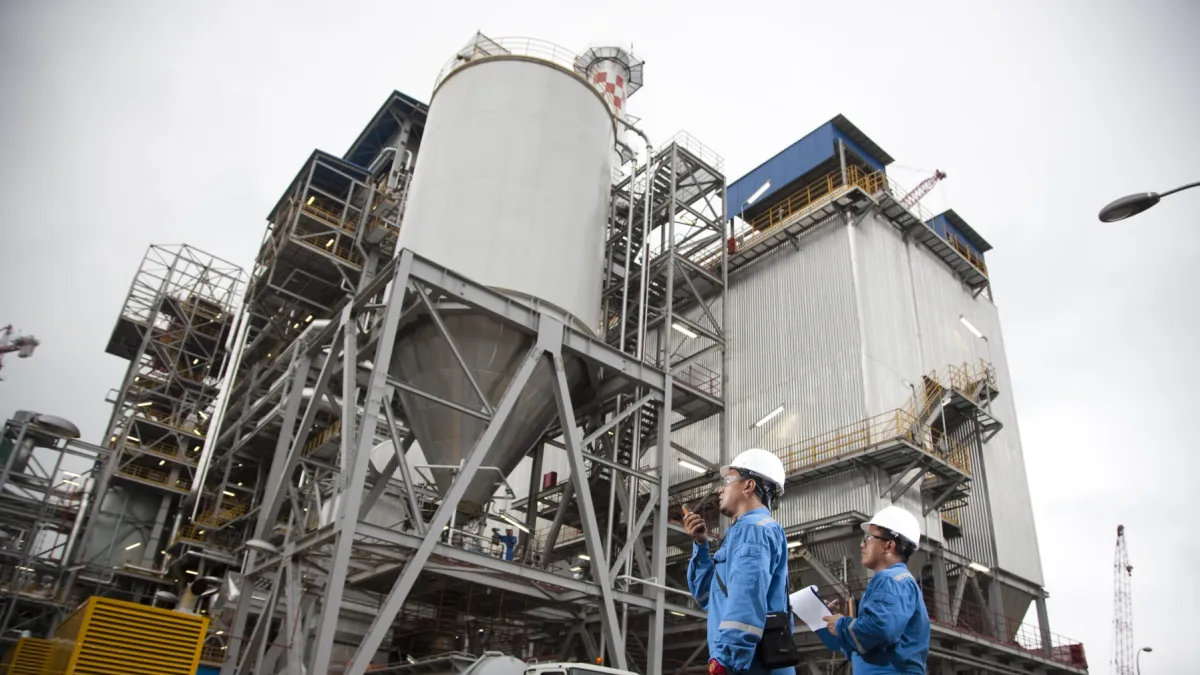
Singapore’s Tuas Power to shift Tembusu plant to full biomass by 2028
It will lower emissions by a million tonnes yearly and cut carbon-tax expenses.
Singapore can use biomass more strategically to meet its power needs whilst supporting its plan to phase out coal by 2050, according to Tuas Power Ltd., one of the country’s biggest energy providers.
“The good thing about biomass generation is that it is 24/7,” Tuas Power Chief Operating Officer Michael Wong told Asian Power. “It can form a baseload, and we can control when and how much we generate, making it more predictable and controllable versus other alternative renewables.”
A biomass power plant converts the chemical energy in organic feedstock into electricity. The process is similar to conventional coal or gas plants, except biomass is used as fuel.
This allows the facility to run continuously, unlike solar, which depends on daylight and requires storage systems.
“Biomass will have a role to play because compared with other potential renewables—even when we are importing solar, hydro, or wind power from neighbouring countries—those are intermittent sources. They depend on the weather,” Wong said via Zoom.
Singapore aims to reach net-zero emissions by 2050 and is pursuing several measures, including importing 6 gigawatts of low-carbon electricity by 2035 and deploying at least 2 gigawatt-peak of solar by 2030.
To support the national target, Tuas Power plans to convert its Tembusu Multi-Utilities Complex (TMUC) on Jurong Island to run entirely on renewable biomass by 2028. This would advance the company’s shift from coal by 22 years.
Built in 2013, TMUC is Singapore’s largest steam generation plant. It produces 133 megawatts (MW) of electricity and 900 tonnes per hour of steam.
The plant was designed for an 80:20 coal-to-biomass mix, using imported wood pellets and palm kernel shells, along with locally sourced waste wood chips.
Wong said the conversion wñould be gradual and require maintaining operational reliability whilst redesigning fuel logistics.
“The efficiency of the generation must still be maintained at a high level,” he said. “So we need to ensure that the boiler conversion—from coal to biomass—will maintain high efficiency for our customers.”
Handling biomass also requires different storage and transport systems. Coal is less affected by rain, but wood pellets absorb moisture, meaning warehouses and logistics processes must be upgraded to meet safety standards.
Depending on the type of feedstock, the 133-MW plant will need 500,000 to 1 million tonnes of biomass per year. Materials will be sourced locally and from nearby countries.
Aside from lowering emissions by roughly 1 million tonnes of CO₂ equivalent annually, switching to biomass will also reduce carbon-tax expenses. Singapore’s carbon tax is $19.25 per tonne today and will rise to $34.65 next year.












 Read Here
 Advertise
 Sign Up