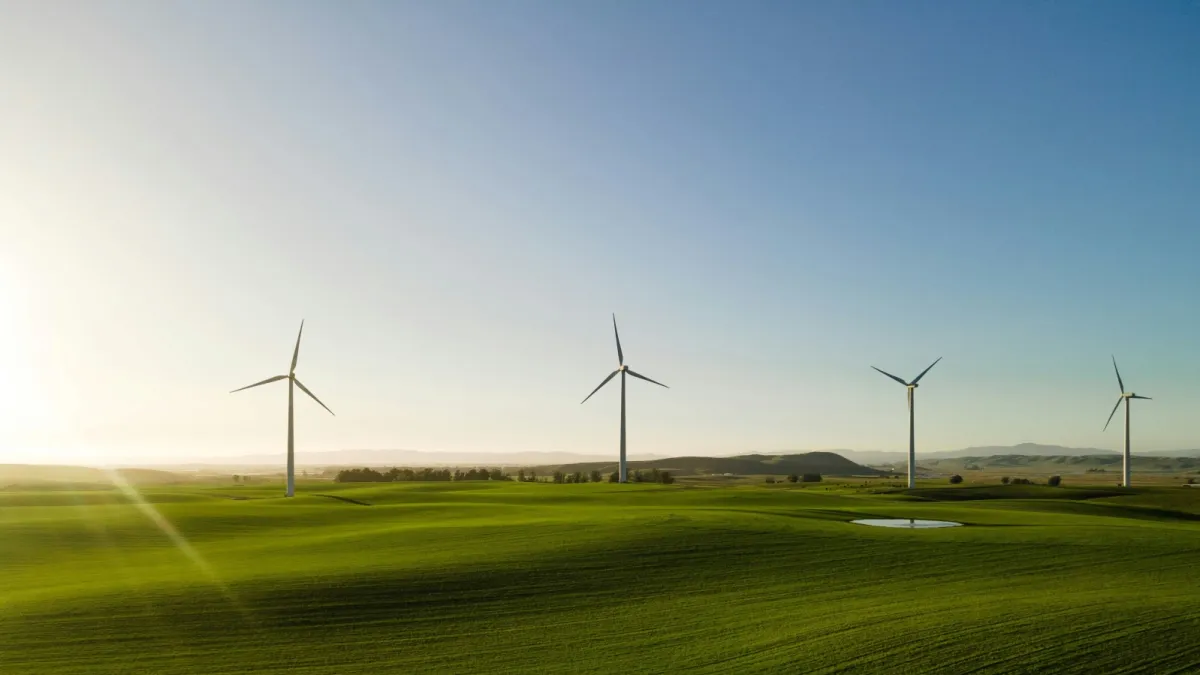
Carbon tax, green imports raise cost, compliance risks
Narrowly focusing on the tax overlooks the full economic picture.
Singapore’s carbon tax and plan to import 6 gigawatts (GW) of low-carbon electricity by 2035 are raising costs for carbon-intensive power whilst improving the relative appeal of cleaner energy, but companies must weigh a broader set of risks beyond fuel and carbon pricing.
“Executives often focus narrowly on the carbon tax as the deciding cost factor, but this overlooks the full economic picture,” Mark Addy, partner, Energy & Natural Resources and Telecommunications, Media & Technology, Tax, KPMG in Singapore, told Asian Power.
Whilst renewable energy can lower operating costs over time, upfront spending on development, installation and grid integration remains high.
Costs are even steeper in hard-to-abate sectors, where carbon capture can exceed prevailing carbon tax levels.
Singapore’s Budget 2026 projects the carbon tax could stabilise near $38.99 (SGD50) per tonne of carbon dioxide by 2030, giving firms a clearer planning benchmark. Gas, meanwhile, faces pressure at carbon prices of $38.99 (SGD50) to $62.39 (SGD80) per tonne but remains competitive.
“Modern combined-cycle gas turbine plants have achieved significant efficiency gains,” Addy said in an emailed reply to questions, citing improved output per unit of fuel.
Lim Wen Bin, partner, Infrastructure Advisory, KPMG in Singapore, said such gains could offset roughly $1.56 (SGD2) to $2.34 (SGD3) per megawatt-hour at a carbon tax of about $45 per tonne, though most savings stem from fuel efficiency rather than emissions cuts.
Beyond fuel and carbon, companies weighing green imports must factor in foreign exchange exposure, counterparty credit risk, balancing charges, backup power costs and potential supply disruptions, he said in a separate email.
Reliability issues can raise emergency procurement costs and delay operations. Regulatory uncertainty also remains a key concern.
“The most material risks sit in the gaps policymakers have not yet closed,” Maria Tan Pedersen, a partner at Dechert LLP, said in an emailed reply to questions.
A regional framework for cross-border renewable energy certificates being developed by Singapore agencies and the I-TRACK Foundation is still incomplete, raising the risk of overlapping claims on the same unit of green power, she said.
Disclosure rules add another layer. Singapore’s environmental, social, and governance reporting regime requires continuous verification of supplier certifications, whilst firms with European exposure must comply with stricter climate reporting standards.
Financing conditions are also shifting. Local lenders such as DBS Bank Ltd., Oversea-Chinese Banking Corp. Ltd., and United Overseas Bank Ltd. increasingly require transition plans for gas-related projects, Pedersen said.
Singapore has signed conditional import deals with Cambodia, Indonesia and Australia to meet its 6 GW target.
As renewable costs fall and renewable energy certificate premiums narrow, Lim said green imports could emerge as both a cost-saving and risk management strategy.
“When renewable energy certificate premiums fall alongside stable renewable supply chains, companies benefit from both lower effective costs and enhanced sustainability performance,” he added.













 Read Here
 Advertise
 Sign Up