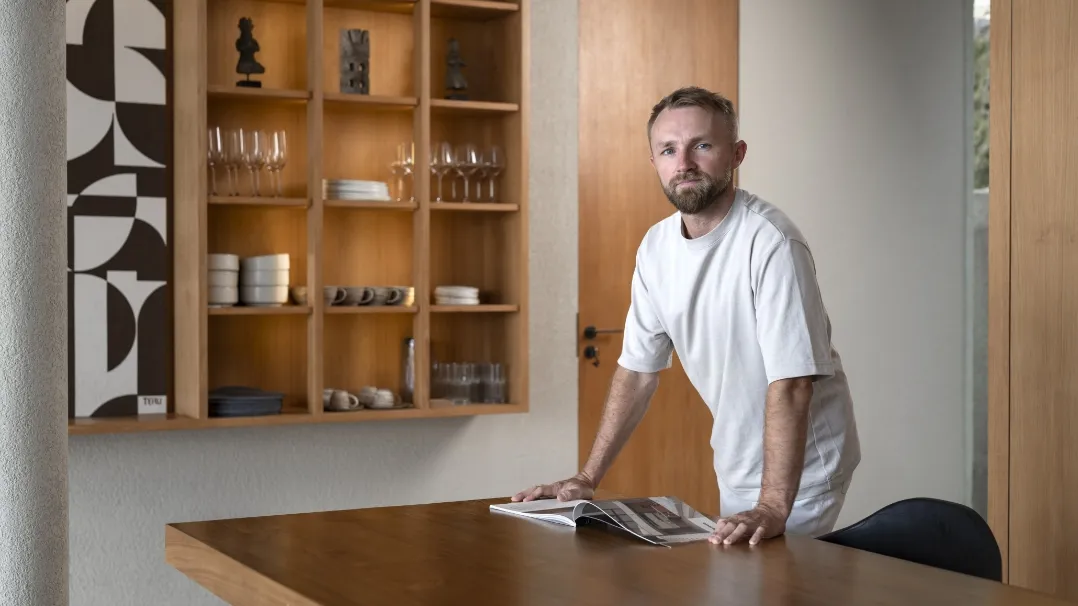
Lyvin Properties bets on low-density luxury in Bali’s South Bukit
Space, privacy, and environment quality are now the main demand drivers.
PT Lyvin Properties Indonesia is entering the final delivery stage of Lyvin Melasti, its flagship development in southern Bukit, Bali, set for full completion by March 2026.
The move reflects changing demand in Bali’s property market, where buyers now prioritise low-density, design-led projects with integrated hospitality services.
“We are seeing a clear shift in what buyers and guests are looking for in Bali,” Alexander Sokovykh, founder and CEO at Lyvin Properties, told Real Estate Asia. “Space, privacy, and the quality of the living environment are now the main drivers of demand.”
Bali’s push toward higher-quality tourism since 2020 has reshaped property expectations. Higher-spending visitors and long-stay travellers now expect more than standard villa products, prompting developers to rethink scale and layout. “Today’s buyers and guests are far more selective,” Sokovykh said in an emailed reply to questions. “They want larger plots, greenery, thoughtful planning, and locations that offer both lifestyle and long-term value. This is the context in which Lyvin Melasti was conceived.”
Lyvin Melasti spans three hectares of ocean-view land and is intentionally low-density, with 18 single-storey villas and a building with 20 ocean-view suites. Over half the land is preserved as green space. “If you continue to build at high density, you may maximise units in the short term, but you sacrifice privacy, experience, and long-term value. We chose a different path,” he added.
The March 2026 completion is timed to align with the next phase of Bali’s premium property cycle, where supply is more selective and construction costs are rising. “Rushing delivery often means compromising design and execution,” Sokovykh said. “We prefer to deliver later, but deliver correctly.”
Located in Uluwatu, Lyvin Melasti benefits from strong growth in dining, wellness, and lifestyle infrastructure, making it a hub for higher-spending travellers and investors. The project is operated under Lyvin’s in-house hospitality brand, integrating residential ownership with professional hotel management.
Amenities include a panoramic restaurant, spa, gym, and family facilities. Villas are already operational, whilst suites and shared facilities will open progressively ahead of March 2026.
“For us, hospitality is not an add-on,” Sokovykh said. “Buyers today want turnkey assets that are professionally managed and capable of performing as both a residence and an investment.”
Sustainability is embedded in the design, with living green roofs to reduce heat, improve insulation, and manage rainwater. Materials include Javanese teak, Sulawesi marble, and locally sourced ironwood, creating modern spaces with a strong sense of place.
Lyvin did not share financial forecasts, but early signs point to strong demand. Within three months of opening, Lyvin Melasti was featured in The Urban List’s list of top hotels in Uluwatu, with guests praising the service, design and ocean views.
Foreign buyers favour leasehold structures with clear extension clauses, whilst Indonesian buyers prefer freehold ownership, a distinction Lyvin incorporates into its sales strategy.
Sokovykh said Lyvin’s approach is deliberate rather than aggressive. “We are a boutique developer by choice. We do fewer projects but maintain a competitive level even as the market grows more crowded.”
By limiting density, integrating infrastructure such as water purification, and prioritising landscape, Lyvin aims to protect long-term value.
“The next phase of Bali’s property market will not be about how many units you can build. It will be about intelligent planning, responsible building, and consistent operation. That is the direction we are committed to.”












 Read Here
 Advertise
 Sign Up