Reformtek tackles fragmented data across Philippine factories
On-premise integration is emerging as an option for industrial operators seeking to connect equipment without moving operational data to the cloud.
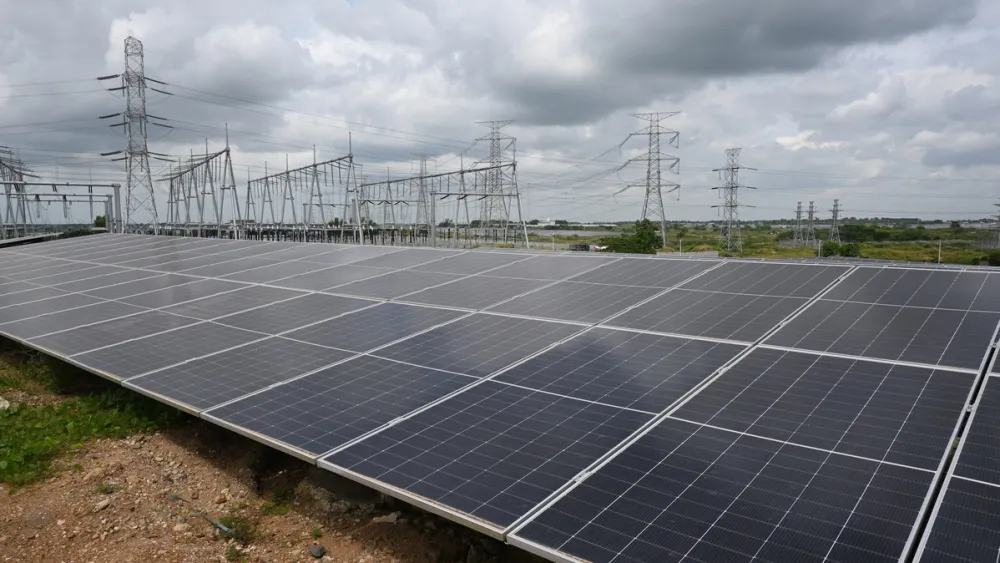
Philippine manufacturers, power plants, and utilities are grappling with interoperability as machinery from different suppliers generates data through multiple protocols, complicating how businesses consolidate and use operational information.
Sebrrina Chang, Founder and Business Development Director of VALUNX and local partner of Reformtek, said businesses are primarily seeking better data connectivity, computing and visualisation across their industrial operations.
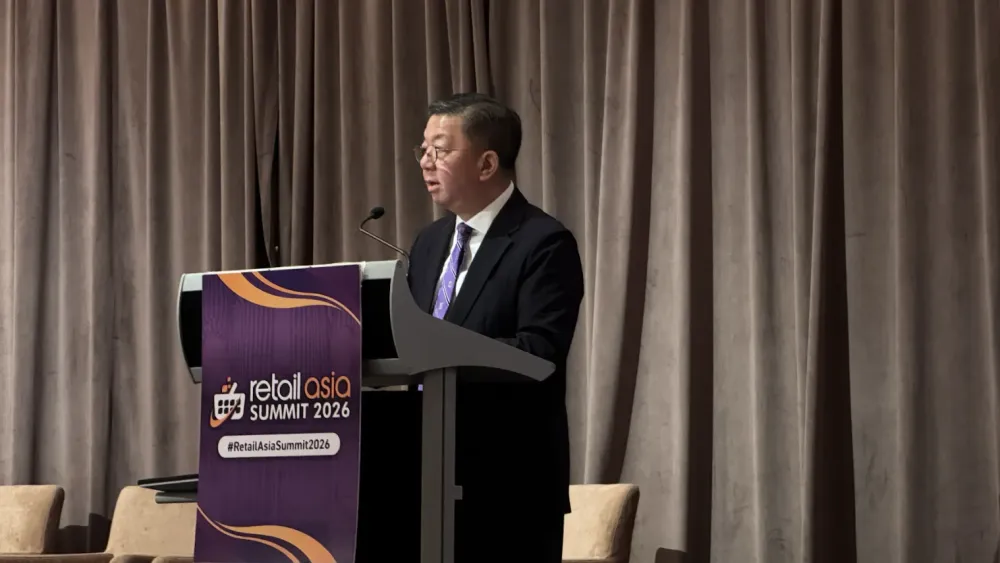
Speaking during Taiwan Expo 2026, Chang said power plants illustrate the challenge: operators need to collect information from different machines and translate multiple protocols before the data can be processed and visualised.
“They have a different brand of machine, so they need to make sure to communicate in the same language,” Chang explained.
The same integration issue extends to food and beverage factories, water facilities, and wastewater operations, where businesses generate operational technology data across different equipment.
Reformtek is targeting these users with an on-premise system that connects and translates multiple industrial protocols before processing and visualising the information according to operational requirements.
Chang said keeping the system on-site differentiates the approach from solutions that require businesses to send data to the cloud.
“First thing is on premise,” she said, adding that multiple protocols are already configured into the system.
For Philippine industrial companies, the issue extends beyond collecting more operational data. Connecting legacy and newer equipment could determine how effectively factories consolidate information across production systems without replacing existing machinery or relying entirely on cloud infrastructure.
















 Read Here
 Advertise
 Sign Up







Commentary
Beyond licensing: How Asian biotech can capture more of the value it creates
Cargo insurance in Asia and the risks of port accumulation
Cheap intelligence, scarce judgment: The new model for Asian institutional investing
Is centralisation the best model for Asia's AI infrastructure boom?
Why compressed air could be costing manufacturers more than they realise
When does infrastructure create sustainable value in Asian real estate?
When power availability becomes a real estate constraint
The next competitive advantage in banking AI is explainability, not automation
The AI pilot worked. Now comes the real test
Why implementation can matter more than technology