Indonesia AI adoption outpaces governance safeguards
Businesses are scaling workplace AI faster than regulation, putting greater pressure on companies to define ownership, oversight and vendor accountability before critical use expands.
Indonesian companies are accelerating artificial intelligence adoption, but governance frameworks are struggling to keep pace as businesses move from productivity tools towards more consequential decision-making.
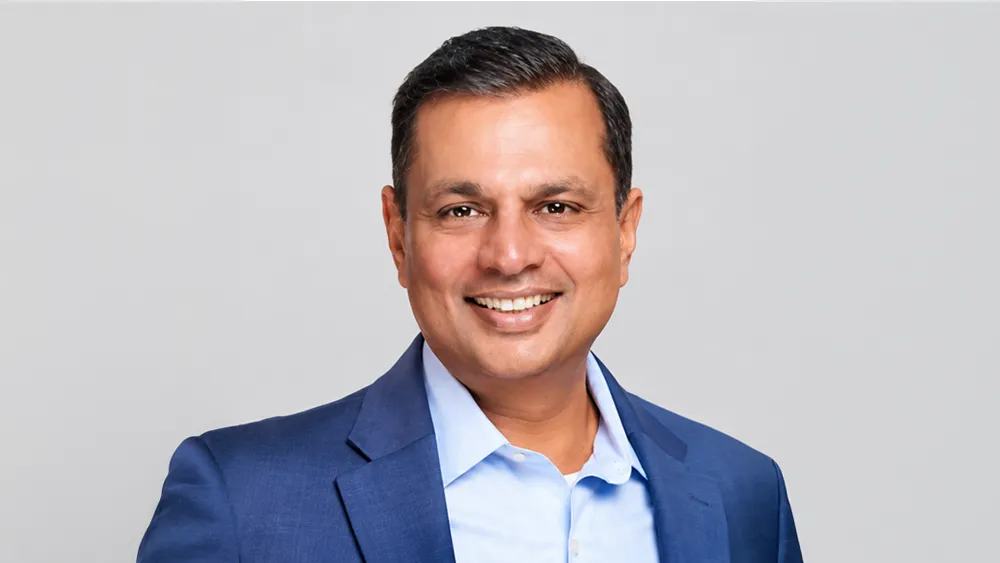
Yudhi Prasetyo, Senior Partner for Advisory and Head of Digital Services at BDO Indonesia, said Indonesia is developing a risk-based AI governance framework around two draft presidential regulations covering AI ethics and a national AI roadmap.
Prasetyo, one of the esteemed judges at the Indonesia Technology Excellence Awards 2026, said the emerging principles centre on human oversight, accountability, transparency, security, privacy, and risk-based governance.
“AI may assist decisions, but the responsibility will remain with humans and the organisation," he said.
The biggest gap for businesses is accountability, particularly when AI systems rely on external vendors, cloud providers, or application programming interfaces.
Prasetyo said companies need to answer who owns an AI system, what it is allowed to do, which data it can access, when humans intervene, and who takes responsibility when something goes wrong.
“The accountability itself cannot be outsourced to this third party,” he said.
Before adoption accelerates further, Prasetyo said businesses should prioritise practical guardrails rather than attempt to regulate each technology individually.
That includes maintaining an AI inventory, classifying systems by risk, preserving human oversight and audit trails, strengthening data sovereignty protections, and applying governance to third-party providers.
He said most Indonesian companies remain focused on productivity applications rather than fully embedding AI into critical decisions, giving organisations time to establish controls before systems become more autonomous.
For business leaders, the challenge is ensuring governance develops at the same pace as AI capability. Prasetyo said accountability should sit across the organisation rather than be assigned solely to technology teams or external vendors.















 Read Here
 Advertise
 Sign Up








Commentary
Beyond licensing: How Asian biotech can capture more of the value it creates
Cargo insurance in Asia and the risks of port accumulation
Cheap intelligence, scarce judgment: The new model for Asian institutional investing
Is centralisation the best model for Asia's AI infrastructure boom?
Why compressed air could be costing manufacturers more than they realise
When does infrastructure create sustainable value in Asian real estate?
When power availability becomes a real estate constraint
The next competitive advantage in banking AI is explainability, not automation
The AI pilot worked. Now comes the real test
Why implementation can matter more than technology