Energy Titan targets smaller farms with energy-saving motors
Large farms have moved further into automation, leaving smaller operators as a potential market for smart-farming upgrades.
Rising electricity costs are strengthening the business case for variable-speed farm equipment that can reduce power consumption while giving operators greater control over ventilation.
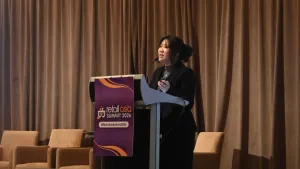
Patrick Yawichai, Field Application Engineer at Energy Titan, said the company’s technology adjusts motor speeds according to temperature and humidity requirements, rather than operating fans at fixed speeds.
Speaking at Taiwan Expo 2026, Yawichai said the main commercial case is lower energy consumption from existing ventilation configurations.
“We can save 30% of our energy. So basically, it’s less costly and can save energy,” he said.
Energy Titan is focusing its Philippine expansion on small- and medium-sized agricultural operators rather than large industrial farms.
“Right now, our company is looking for the middle scale and the lower scale because in the big scale they already have the smart farm,” Yawichai said.
That distinction shapes the addressable market. Larger agribusinesses are more likely to have already invested in automated farm infrastructure, while smaller operators may still rely on conventional motors and ventilation equipment.
For Philippine farm operators, the investment decision will depend on whether electricity savings can offset the cost of upgrading existing equipment while providing more precise control over production conditions.


















 Read Here
 Advertise
 Sign Up






Commentary
Beyond licensing: How Asian biotech can capture more of the value it creates
Cargo insurance in Asia and the risks of port accumulation
Cheap intelligence, scarce judgment: The new model for Asian institutional investing
Is centralisation the best model for Asia's AI infrastructure boom?
When does infrastructure create sustainable value in Asian real estate?
Why compressed air could be costing manufacturers more than they realise
The next competitive advantage in banking AI is explainability, not automation
When power availability becomes a real estate constraint
The AI pilot worked. Now comes the real test
Why implementation can matter more than technology