The Art of staying relevant: Creativity, culture, and the future of The Slate
As The Slate approaches its 40th anniversary, Asian Business Review reflects on the values that have sustained the Phuket resort through four decades of change — from creativity and employee empowerment to sustainability, heritage and the evolving expectations of luxury travellers.
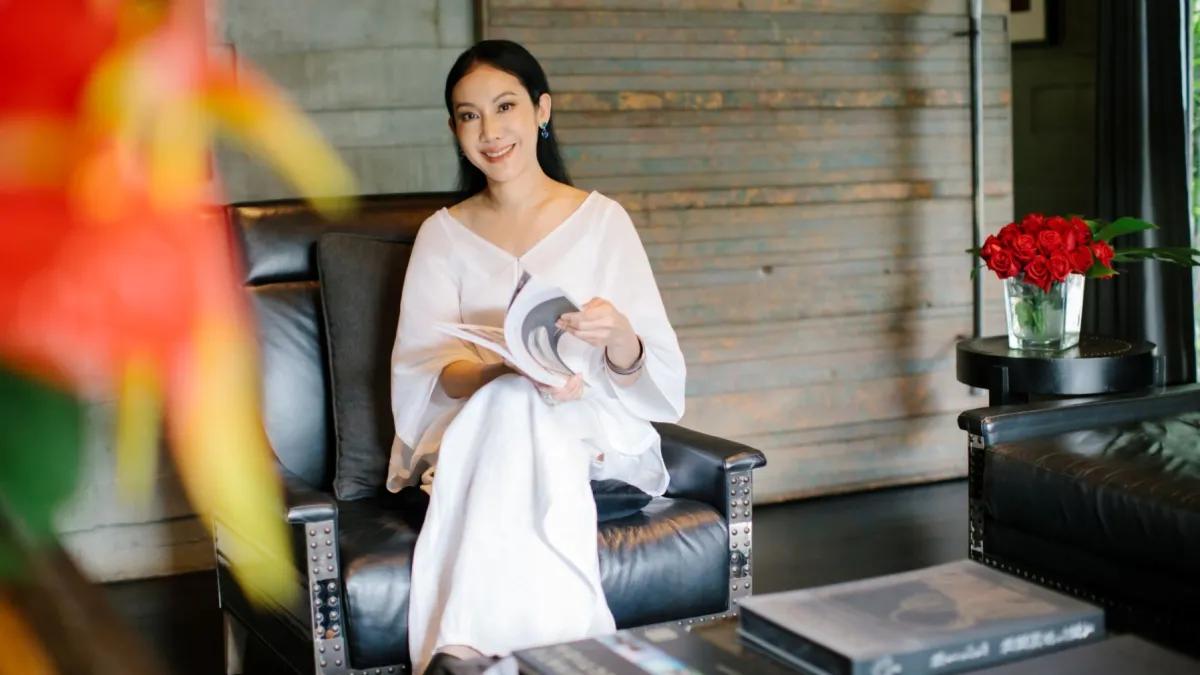
Simon Hyett speaks exclusively with Krystal Prakaikaew Na-Ranong, Co-founder and owner of The Slate Phuket. Khun Krystal is the daughter of fellow owner and “Father of Tourism” in Phuket Wichit Na-Ranong, founder of The Pearl Group of companies.
Creativity as a core value
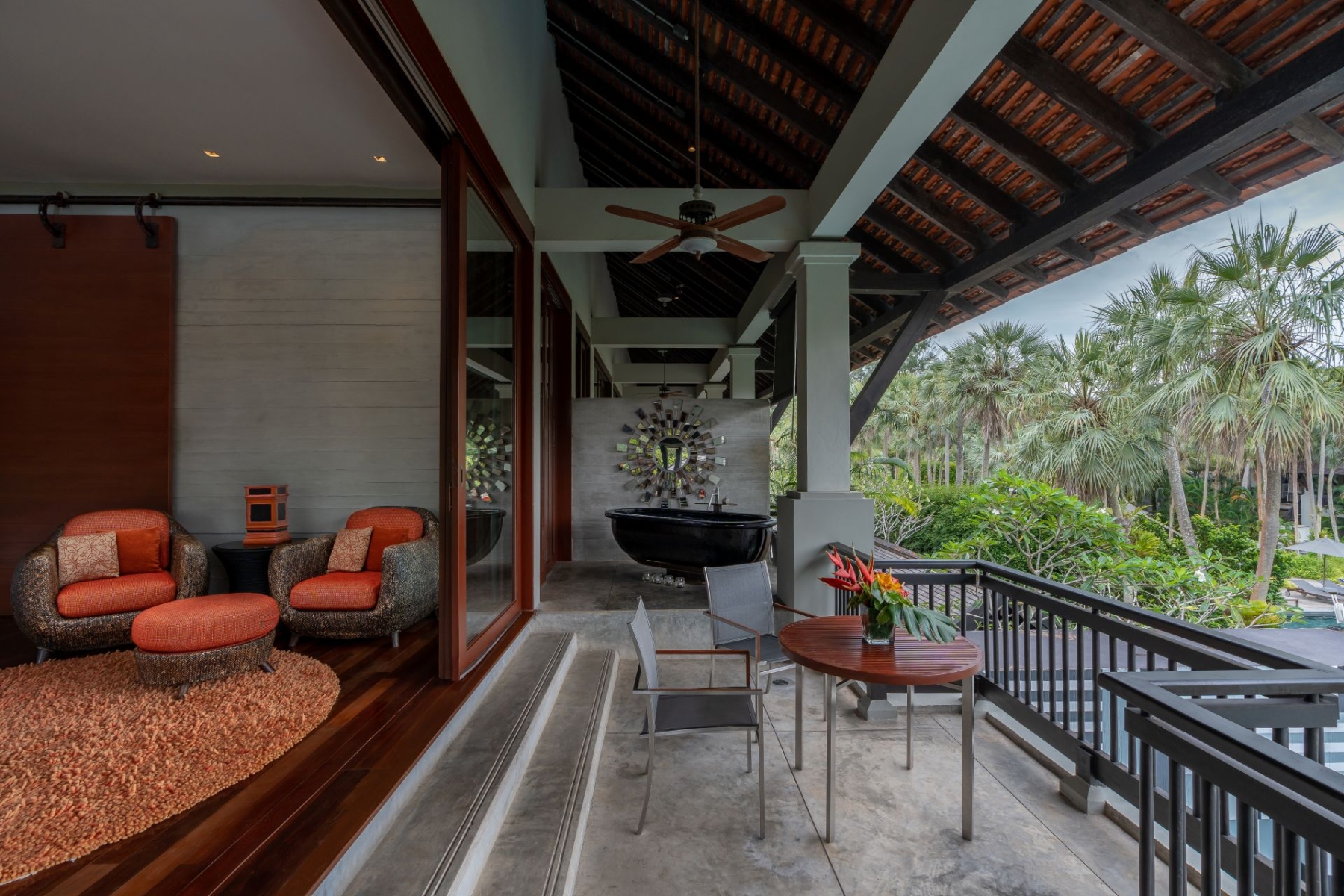
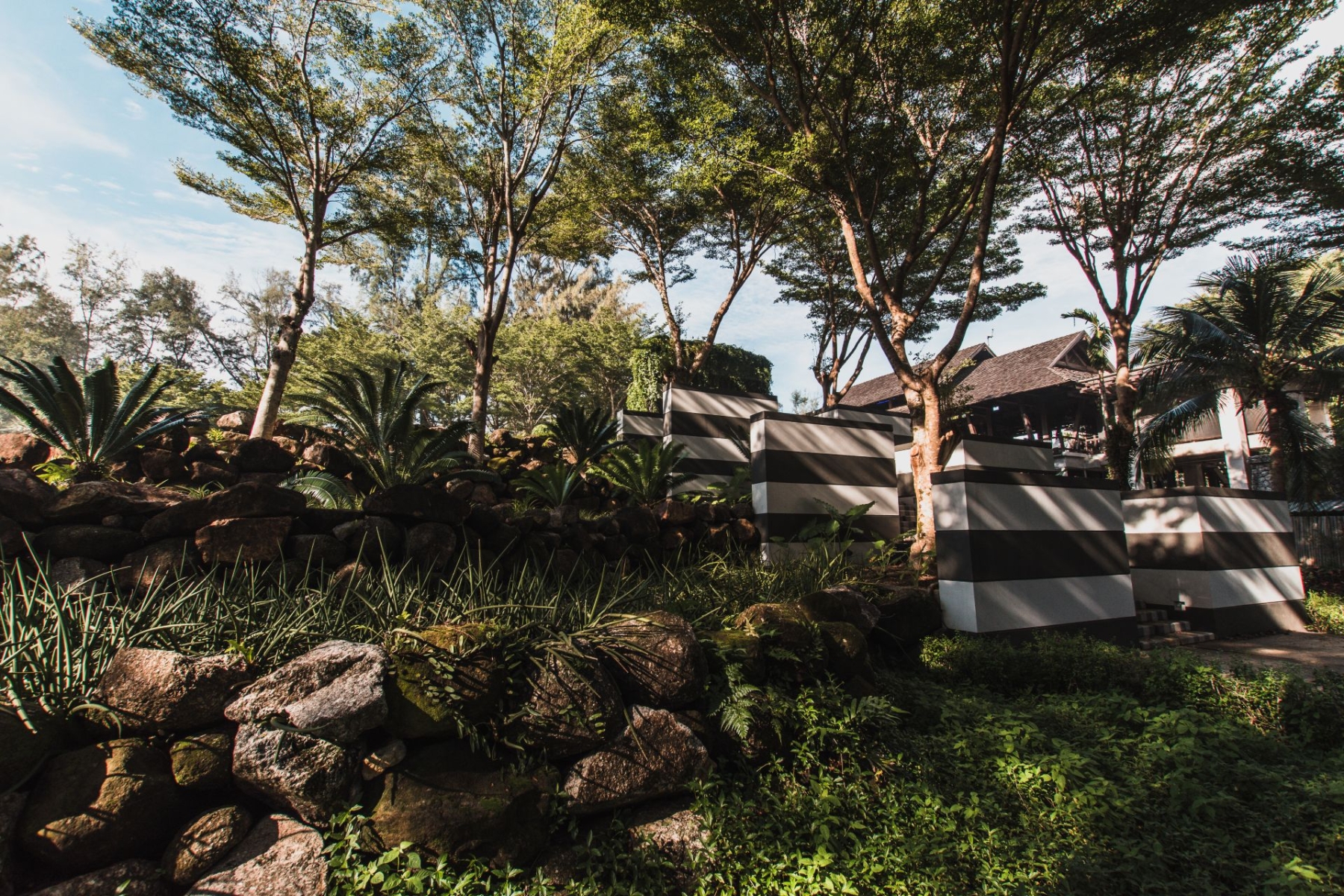
The Slate’s distinctive identity began with its design. Intricately inspired by Phuket’s little-known tin-mining history, the resort combines industrial elements such as rivets and metalwork with softer features including silk, greenery, with native flora and fauna. This juxtaposition remains central to the property’s character.
“Creativity extends beyond aesthetics. Creativity is also essential to solving problems, developing people and creating new ways of working. The resort’s leadership philosophy is multidisciplinary, recognising that employees often possess talent that goes beyond their formal roles,” says Na-Ranong. “Employees may participate as models in fashion shows, contribute to promotional videos or become involved in photography, music, mixology and culinary projects.” Na-Ranong believes this allows people to develop a broader understanding of the industry.
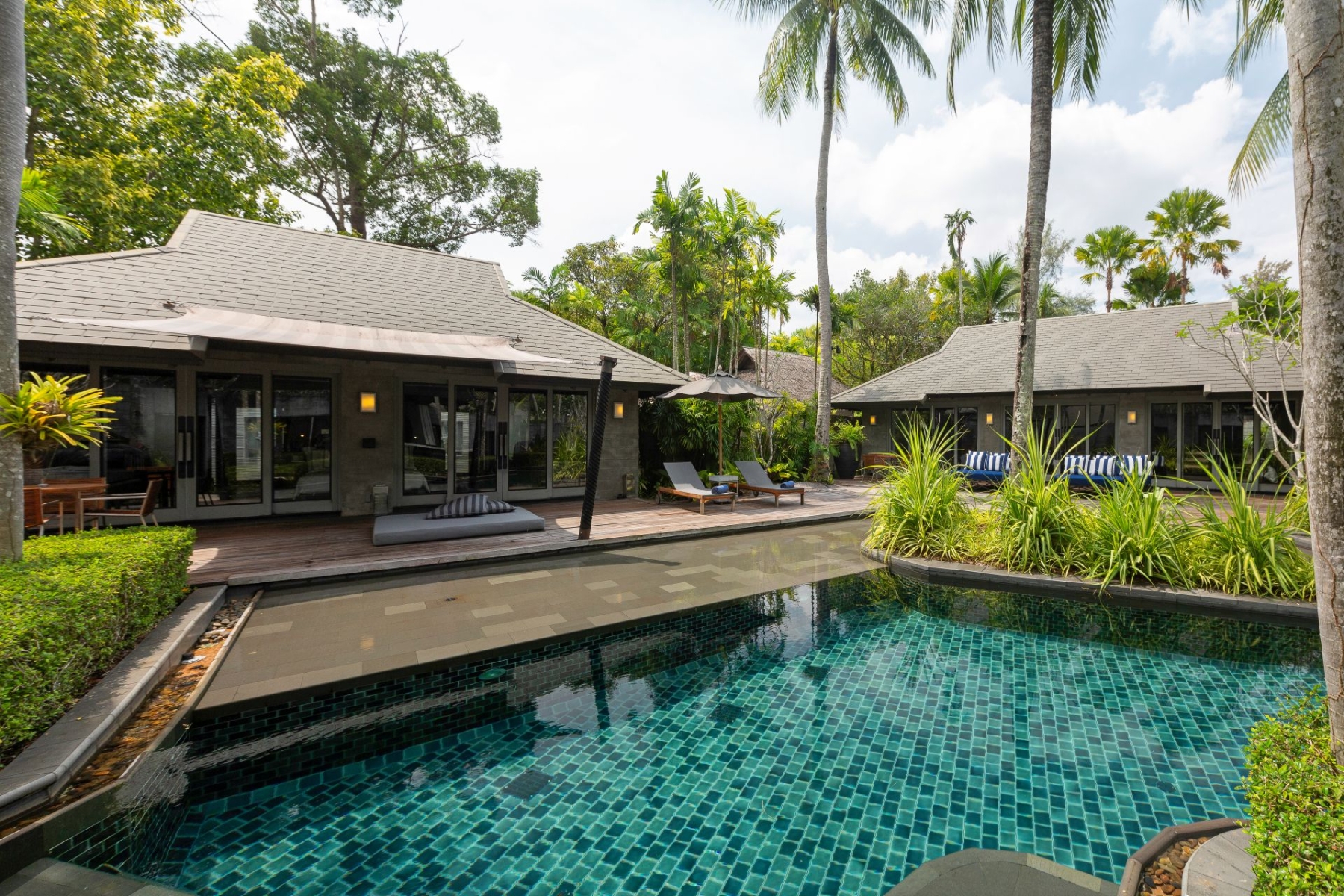
The Slate is therefore positioned not simply as the ultimate luxury resort (a brand level, which standing alone, it would execute exquisitely) but as a lifestyle environment. Its employees interact with artists, fashion designers, musicians and wellness practitioners, while guests are exposed to a wide range of cultural and creative experiences.
Remaining relevant through storytelling
The Slate’s ability to remain relevant for four decades is closely linked to its story. Rather than focusing solely on beaches, architecture or luxury amenities, the resort brings Phuket’s history into the guest experience – displayed through every conceivable detail.
The property’s tin-mining narrative is reflected in its industrial design, whilst local culture, art, music, fashion and food continue to shape its programming. Whilst the resort does not want to remain fixed in the past, its history provides a classic and authentic foundation.

This philosophy is reflected in the resort’s retail business. Many of the accessories used throughout the property were custom-made, and these items later became products that guests could purchase. The Slate also hosts a series of events known as “Bold”, which combine gastronomy, music, fashion and performance. Held several times a year, each event is different. One recent edition featured Spanish cuisine and a dancer from Bangkok. These programmes allow the resort to introduce new ideas while maintaining its distinctive identity.
The changing meaning of luxury
Na-Ranong believes luxury travellers are increasingly seeking more than a beautiful hotel and a beach. They want meaningful experiences, connections with local communities and a stronger sense of purpose. “Many guests now research and book experiences before arriving,” she adds. “They may want to explore Phuket Town, learn about the island’s history or discover local food and architecture.” The Slate responds by curating experiences that connect visitors with the wider destination.
The resort encourages guests to visit Phuket Town and learn about the island’s development, particularly the influence of tin mining during the 18th and 19th centuries. Phuket’s Sino-European architecture reflects its historic connections with Chinese, Portuguese, Dutch and British traders. This diversity is particularly evident in Phuket’s cuisine, which combines elements from several traditions.
For Na-Ranong, the most memorable luxury is personal recognition. Guests want to feel that they are being treated as individuals rather than room numbers. She recalls an incident involving a world famous fashion designer, who left a sketchbook at the airport after staying at The Slate. The resort team traced his movements, located the bag at the departure gate and arranged for it to be returned to Paris – the kind of hospitality the resort says is built on relationships, not procedures.
New opportunities in MICE
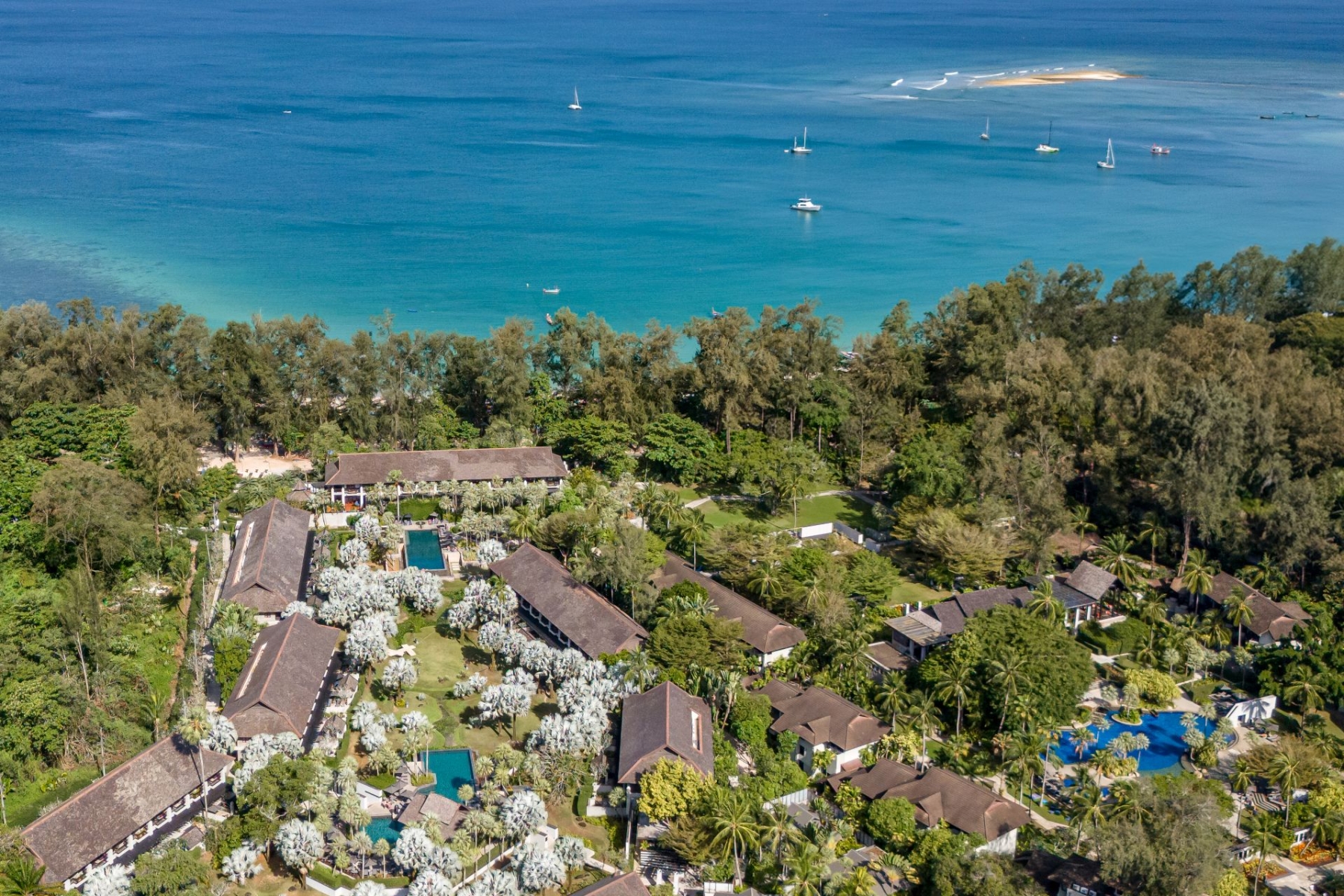
The MICE market is also changing. Na-Ranong observes that group sizes are becoming smaller, while clients are looking for more creative and distinctive environments. “The Slate can accommodate traditional meetings in ballrooms and conference rooms, but it also offers outdoor spaces, private islands, villas, suites and restaurants that can be adapted for events. This flexibility allows the resort to create bespoke settings for each group.”
The shift towards smaller, more personalised meetings has been reinforced by the growth of hybrid events. During and after the Pandemic, some participants attended in person while others joined remotely. This changed expectations around business travel and encouraged organisers to think more carefully about the value of bringing people together physically. Phuket is well positioned to benefit from these trends. The island has international air connections, good roads, international schools and hospitals, making it attractive not only for short-term events but also for longer stays and relocation.
Sustainability and community responsibility
Sustainability is another important part of The Slate’s operating philosophy. Almost a decade ago, the resort introduced an in-house water treatment plant and eliminated single-use plastic bottles. The property also operates an African worm farm, which converts food waste into compost for the gardens. Food scraps are collected, waste is sorted and recycling and upcycling are prioritised throughout the resort.
The Slate maintains an organic garden that supplies herbs to its restaurants and works with local suppliers wherever possible. It also conducts daily beach cleaning and invites guests to participate in environmental and educational activities. For example, leftover candle wax can be reused, and children are invited to make their own candles.
Recruiting from nearby communities is another part of the resort’s sustainability strategy. Employing locals not only reduces carbon footprint but also strengthens the relationship between the property and its surrounding area. Cultural preservation is equally important. The owners firmly believe responsible tourism should help guests understand the destination rather than offer a generic experience that could be found anywhere.
The Importance of People
One of the resort’s greatest challenges is recruitment and retention. Since COVID, Phuket’s hospitality sector has expanded significantly, creating greater competition for skilled employees. However, The Slate’s family-business structure has helped it retain staff. Many employees have worked at the resort for more than 20 years and have played a central role in shaping its culture.
The importance of this loyalty became particularly clear during the Pandemic. When international travel stopped, The Slate had to close temporarily. Most of its guests had traditionally come from Europe, Australia and the United States, and Na-Ranong admits the resort had not previously focused enough on the domestic Thai market. Wichit Na-Ranong decided to retain and continue paying all staff. Staff hours were reduced and they could accept other jobs if necessary. Remaining employees maintained the gardens, rooms, air-conditioning systems and water infrastructure.
This decision was far-sighted: it meant the resort was able to reopen with an experienced workforce. Employees already understood the property, its standards and its guests. The experience also highlighted the importance of the domestic market. Thai travellers became a more significant focus, particularly as staycations and domestic tourism grew during the Pandemic.
Phuket’s Future
Na-Ranong is optimistic about Phuket’s future. She highlights the island’s accessibility, infrastructure, cultural diversity and genuine hospitality give it strong advantages in the global luxury and MICE markets. “Authenticity is one of Phuket’s greatest strengths. While some destinations offer highly scripted service, Phuket’s hospitality is more personal and spontaneous. Local people enjoy sharing the island’s stories and welcoming visitors.”
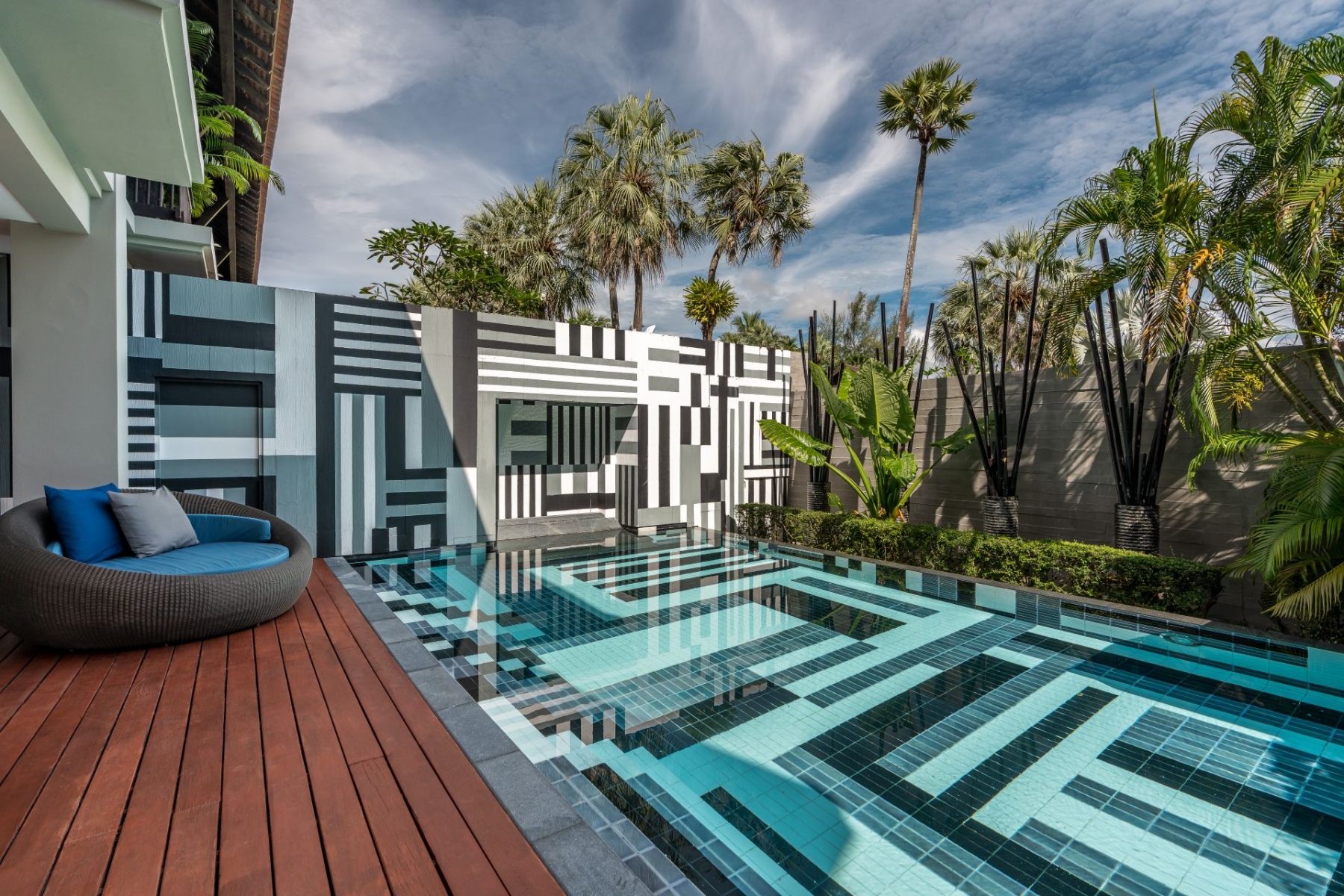
The Slate’s own performance reflects the recovery of the destination. The resort has already exceeded its pre-Pandemic levels and repeat business is also strong. Some guests return every year, stay for several weeks and request the same villas. Others book a year in advance. This loyalty suggests that the resort’s combination of history, personal service and evolving experiences continues to resonate.
A Dynamic Identity
If guests remember only two things about The Slate, Na-Ranong hopes they remember its sense of juxtaposition and its dynamic character. The resort’s industrial heritage is balanced by nature, softness and creativity. Its past is visible throughout the property, but it is not resting on laurels or legacy - new events, collaborations and experiences are continually introduced. The Slate’s identity is therefore both established and evolving. Its history gives it depth, while its willingness to experiment keeps it relevant. For Na-Ranong, that balance is the key to sustaining the resort through its next 40 years – an exciting future indeed.













 Read Here
 Advertise
 Sign Up